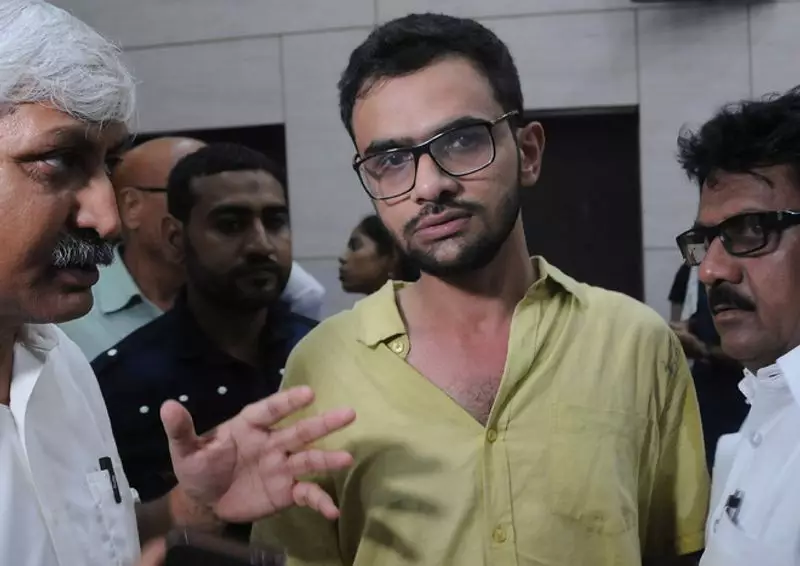
The Supreme Court of India is set to deliver a crucial verdict on Friday, January 5, regarding the bail applications of several accused in a high-profile case related to the 2020 Northeast Delhi riots. The pronouncement will decide the fate of former JNU student leader Umar Khalid and activist Sharjeel Imam, among others, who have been charged under the stringent Unlawful Activities (Prevention) Act (UAPA).
Awaiting Justice: The Long-Pending Bail Hearings
A bench comprising Justices Bela M. Trivedi and Pankaj Mithal concluded the hearing on the pleas and reserved its judgment on October 20, 2023. The court's decision, scheduled for January 5, 2024, will address the appeals challenging the Delhi High Court's order from October 2022, which had denied them bail. The accused have been in judicial custody for over three years, since their arrests in connection with the larger conspiracy alleged behind the communal violence that erupted in February 2020.
The case, investigated by the Delhi Police's Special Cell, revolves around allegations of a premeditated conspiracy to incite the riots during the visit of former US President Donald Trump to India. The chargesheet claims the violence was orchestrated to create instability and embarrass the Indian government on an international stage. The accused face serious charges under the UAPA and various sections of the Indian Penal Code.

Legal Arguments and Contentions
During the hearings, the defense counsel for the accused argued vehemently for the grant of bail. They contended that the prosecution had failed to provide any concrete, credible evidence directly linking their clients to the actual violence or to a terrorist act as defined under UAPA. The lawyers emphasized the prolonged incarceration and the right to a speedy trial, pointing out the delay in the commencement of the trial itself.
On the other side, the Solicitor General of India, Tushar Mehta, representing the Delhi Police, opposed the bail pleas strenuously. He argued that the material presented in the chargesheet indicated a larger conspiracy with serious ramifications for national security. The prosecution maintained that the accusations fell squarely within the ambit of the UAPA, a law designed specifically for such grave offenses, and that releasing the accused on bail could hamper the ongoing investigation and trial process.
Implications of the Forthcoming Judgment
The Supreme Court's ruling on January 5 is being closely watched by legal experts, human rights organizations, and the political class. It holds significant implications not just for the individuals involved but also for the interpretation and application of the UAPA in cases of alleged conspiracy and communal violence. The verdict will set a precedent on the thresholds for granting bail under this anti-terror law, which makes securing release exceptionally difficult.
For the accused, including Umar Khalid, Sharjeel Imam, and others like Khalid Saifi and Tahir Hussain, the decision represents a critical juncture. A grant of bail would mean their release from jail after years, while a denial would mean they remain incarcerated as the trial, which may take several more years, runs its course. The judgment will also bring some closure to a legal battle that has seen multiple adjournments and extensive arguments.
The 2020 Delhi riots, which occurred from February 23 to 29, resulted in the tragic loss of 53 lives and left hundreds injured. The legal proceedings concerning the violence have been complex and multi-layered, with this Supreme Court case being one of the most prominent. The nation now awaits the apex court's reasoned order, which will clarify the legal standing of the evidence and the applicability of UAPA in this contentious matter.