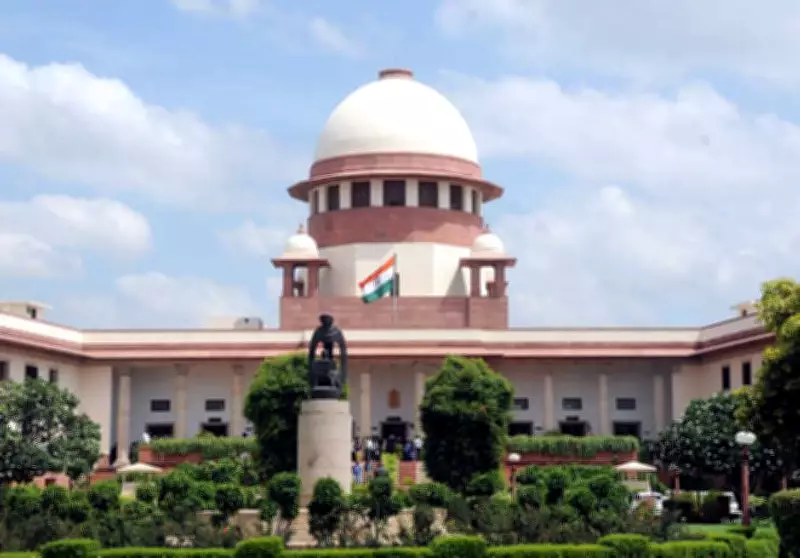
The Supreme Court of India has taken a significant step toward potentially enhancing electoral participation among the student community. The apex court has agreed to examine a plea that seeks to introduce postal ballot voting options for students who are away from their home constituencies during elections. This move could mark a pivotal development in India's democratic process, aiming to address the logistical challenges that often prevent students from exercising their fundamental right to vote.
Background of the Plea
The plea was filed by a group of students and activists who highlighted the difficulties faced by students residing in hostels or other educational institutions far from their native places. Currently, many students are unable to travel back to their home towns or villages to cast their votes due to academic commitments, financial constraints, or distance. This has led to a significant portion of the youth being disenfranchised in various elections across the country.
Current Voting Mechanisms and Limitations
Under the existing electoral framework in India, voters are required to be physically present at their registered polling stations to cast their ballots. While provisions like proxy voting and postal ballots exist for certain categories such as armed forces personnel, government employees on election duty, and persons with disabilities, students are not included in these special categories. The plea argues that this exclusion is arbitrary and violates the principles of equality and inclusivity enshrined in the Constitution.
Potential Implications of the Supreme Court's Review
If the Supreme Court decides in favor of the plea, it could lead to a major overhaul of the electoral system. Postal ballots for students would enable them to vote from their current locations, thereby increasing voter turnout among the youth demographic. This could have far-reaching effects on election outcomes, as students often represent a vibrant and informed segment of the electorate with distinct perspectives on governance and policy issues.
Challenges and Considerations
Implementing postal ballots for students would require careful planning and robust mechanisms to ensure the integrity and security of the voting process. Key considerations include verifying the identity of student voters, preventing fraud, and managing the logistics of distributing and collecting ballot papers. The Election Commission of India would need to collaborate with educational institutions and postal services to develop a feasible framework.
Broader Context of Electoral Reforms
This review by the Supreme Court comes at a time when there is growing discourse on electoral reforms in India. Recent years have seen discussions on issues such as online voting, extending voting rights to non-resident Indians, and making the electoral process more accessible to marginalized groups. The inclusion of students through postal ballots could be seen as part of this broader effort to modernize and democratize the voting system.
Legal experts and civil society organizations have welcomed the court's decision to examine the matter. They emphasize that empowering students to vote could foster a culture of political engagement and responsibility among the youth, ultimately strengthening democratic institutions. The Supreme Court's final ruling on this plea is eagerly awaited, as it could set a precedent for future electoral reforms in India.