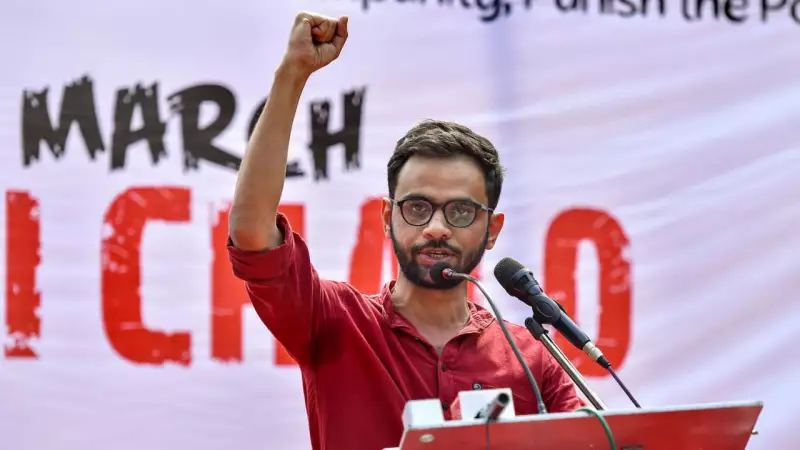
The Supreme Court of India is set to announce a crucial verdict on January 5, deciding the fate of bail applications filed by activist Umar Khalid, student leader Sharjeel Imam, and others. They are accused of being the alleged masterminds behind the larger conspiracy that led to the deadly communal violence in northeast Delhi in February 2020.
Bench and Key Legal Arguments
A bench comprising Justices Aravind Kumar and N V Anjaria will pronounce the much-awaited order. The court had concluded hearing the arguments and reserved its judgment on December 10. The legal battle saw intense arguments from both sides.
The Delhi Police, represented by Solicitor General Tushar Mehta and Additional Solicitor General S V Raju, opposed the bail pleas. They argued that the accused played a central role in orchestrating the violence. On the other side, a battery of senior advocates including Kapil Sibal, Abhishek Singhvi, Siddhartha Dave, Salman Khurshid, and Sidharth Luthra represented the accused, challenging the charges and seeking their release on bail.

Charges and Context of the 2020 Delhi Riots
The accused have been charged under the stringent Unlawful Activities (Prevention) Act (UAPA) and various sections of the Indian Penal Code. The police case alleges they were the key conspirators behind the riots, which resulted in 53 fatalities and injuries to over 700 people.
The violence erupted in the backdrop of widespread protests against the Citizenship (Amendment) Act (CAA) and the proposed National Register of Citizens (NRC). The prosecution claims the accused conspired to incite the riots, a charge vehemently denied by the defence.
Path to the Apex Court
The accused approached the Supreme Court after the Delhi High Court denied them relief. In an order dated September 2, the High Court rejected their bail petitions in this "larger conspiracy" case linked to the February 2020 riots. The Supreme Court's upcoming verdict is therefore a significant milestone in this high-profile legal proceeding, which has been closely watched nationwide.
The decision on January 5 will have profound implications, not just for the individuals seeking bail, but also for the legal interpretation of evidence and charges in cases filed under the UAPA in relation to the Delhi riots.