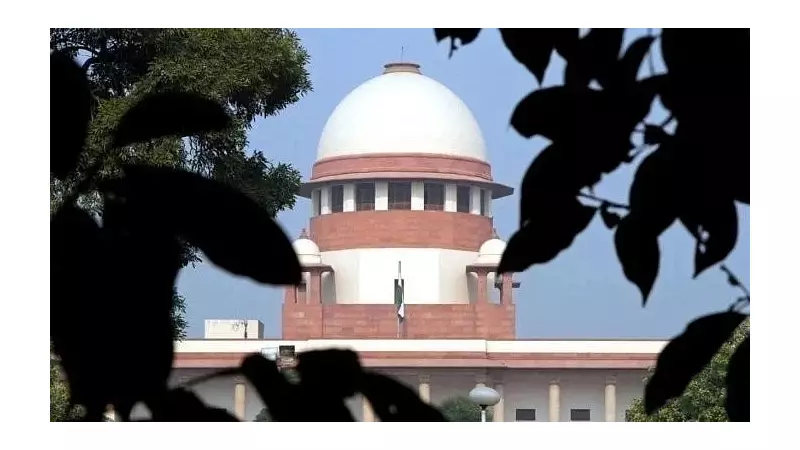
The Supreme Court of India has taken a significant step in a sensitive case concerning the right to die with dignity. The court has decided it will personally speak with the parents of a 31-year-old man, who has been in a persistent vegetative state for over a decade, before making a decision on their plea to allow passive euthanasia for their son.
A Decade-Long Struggle and a Landmark Law
The case revolves around a young man from Uttar Pradesh who suffered a severe cardiac arrest in 2013. The incident led to profound brain damage due to a lack of oxygen. For the past eleven years, he has remained in a persistent vegetative state, completely dependent on life-sustaining measures in a hospital.
His elderly parents, both in their late seventies, have been fighting a long legal battle. They approached the Supreme Court seeking permission to withdraw life support, arguing that their son has no chance of recovery and is living in a condition that offers no dignity. Their plea is grounded in the fundamental right to die with dignity, which the Supreme Court itself recognized in the historic 2018 Common Cause verdict.
That landmark judgment legalized passive euthanasia and the creation of "living wills" in India, establishing a strict regulatory framework for such decisions. The law mandates that such pleas must be approved by a medical board and finally by the High Court.
The Court's Deliberate and Compassionate Approach
A bench comprising Justice B.R. Gavai and Justice Sandeep Mehta is hearing the petition. During the proceedings, the court acknowledged the gravity of the matter. The judges noted that while the medical reports are crucial, they believe it is essential to hear directly from the parents.
"We would also like to interact with the petitioners (parents)," the bench stated, underscoring the human element at the heart of this legal and ethical dilemma. The court has scheduled the next hearing for August 6, 2024, when it will converse with the parents before proceeding further.
The central government, represented by Additional Solicitor General K.M. Natraj, informed the court that the statutory medical board had already examined the patient. According to the report, the man meets the criteria of being in a permanent vegetative state with no possibility of regaining consciousness.
Navigating the Legal and Ethical Labyrinth
This case highlights the complex procedural path outlined by the 2018 law. Even with a medical board's confirmation, the final approval must come from the judiciary. The parents' petition had initially been filed before the Allahabad High Court, which declined to issue a ruling. This forced the family to approach the Supreme Court directly.
The court's decision to interact with the parents personally is seen as a move to ensure that their consent is fully informed, voluntary, and free from any external pressure. It adds a layer of judicial scrutiny and compassion to the already stringent process, balancing the sanctity of life with the right to a dignified death.
The outcome of this case will be closely watched, as it has the potential to set a precedent for how similar heart-wrenching pleas are handled in the future, reinforcing the practical application of India's passive euthanasia framework.