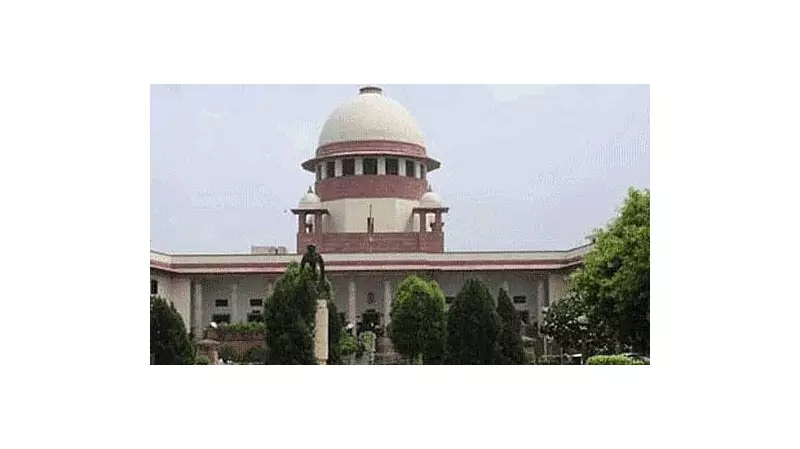
In a stern rebuke, the Supreme Court of India has described the actions of a judicial officer, who allegedly urinated before a woman co-passenger on a train, as "shocking" and "disgusting." The apex court has taken decisive action by staying an order from the Madhya Pradesh High Court that had previously quashed the termination of the officer involved in this incident.
Apex Court Intervenes in High Court Decision
The Supreme Court's intervention came on 12 January 2026, as reported by journalist Ashish Tripathi. The bench, deeply concerned by the nature of the misconduct, halted the implementation of the Madhya Pradesh High Court's ruling that had reinstated the judicial officer. The High Court had set aside the termination order, a decision the Supreme Court found prima facie unsustainable given the gravity of the alleged act.
The incident, which sparked nationwide outrage, involved the judicial officer reportedly urinating in the compartment of a moving train in the presence of a female passenger. This act was deemed a severe breach of public decency and conduct unbecoming of a member of the judiciary.
Details of the Case and Judicial Proceedings
Following the incident, the judicial officer faced disciplinary proceedings which culminated in his termination from service. However, challenging this dismissal, the officer approached the Madhya Pradesh High Court. The High Court, in its order, quashed the termination, leading to the state authorities or the complainant appealing to the Supreme Court.
The Supreme Court, upon hearing the appeal, expressed its clear dismay. The justices emphasized that such behaviour by a person holding a judicial office is utterly unacceptable and undermines the dignity of the institution. The court noted that the High Court may not have given sufficient weight to the profound seriousness of the misconduct while deciding to overturn the termination.
Implications for Judicial Conduct and Accountability
This ruling by the Supreme Court sends a powerful message about the standards of personal behaviour expected from those in the judiciary. It reinforces the principle that judicial officers are held to a higher standard of conduct, both inside and outside the courtroom. Their actions must inspire public confidence in the justice system.
By staying the High Court's order, the Supreme Court has ensured that the termination remains in effect for now, pending a final hearing and judgment on the matter. The case highlights the mechanisms for accountability within the judicial services and the Supreme Court's role as the ultimate arbiter in matters of disciplinary action involving judicial officers.
The next steps in the legal process will involve a detailed hearing where both sides will present their arguments. The final verdict will set a significant precedent regarding the balance between disciplinary action for misconduct and the legal rights of government servants, particularly within the sensitive framework of the judiciary.