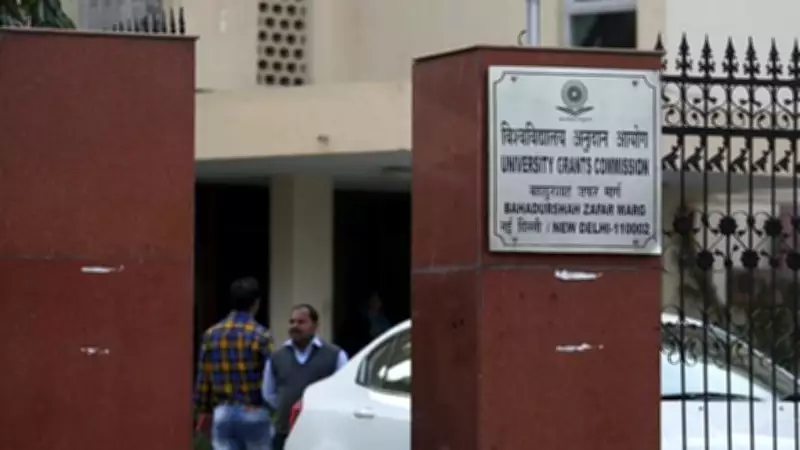
In a significant legal development, the Supreme Court of India has issued a stay on the 2026 University Grants Commission (UGC) regulations that define what constitutes caste-based discrimination in higher education institutions. This interim order means that the existing 2012 regulations will continue to be in force while the apex court examines the constitutional validity of the newly proposed guidelines.
Background of the Case
The 2026 UGC regulations were introduced to update and clarify the definitions and procedures related to caste-based discrimination in universities and colleges across India. However, these new rules faced legal challenges from various stakeholders who argued that they might not adequately protect the rights of marginalized communities or could potentially dilute existing safeguards.
Supreme Court's Interim Order
The Supreme Court, after hearing preliminary arguments, decided to stay the implementation of the 2026 regulations. This stay ensures that the 2012 regulations, which have been in place for over a decade, will remain operational until the court completes its thorough review of the constitutional aspects of the new framework.
The court's decision to grant a stay indicates that there are substantial questions of law that need to be addressed before any changes can be made to the current system. This move is seen as a precautionary measure to prevent any potential harm or confusion that might arise from implementing the new regulations without proper judicial scrutiny.
Implications for Higher Education
The continuation of the 2012 regulations means that universities and colleges must adhere to the existing guidelines for handling cases of caste-based discrimination. This includes the procedures for reporting incidents, conducting investigations, and providing redressal to affected students and staff.
Educational institutions are now in a state of legal limbo, awaiting the Supreme Court's final verdict on the constitutionality of the 2026 regulations. This period of uncertainty underscores the importance of having clear and legally sound policies to combat caste-based discrimination in the academic sphere.
Next Steps in the Legal Process
The Supreme Court is expected to conduct detailed hearings on the matter, where both sides will present their arguments regarding the constitutional validity of the 2026 UGC regulations. The court's examination will likely focus on whether the new rules align with the fundamental rights enshrined in the Indian Constitution, particularly those related to equality and non-discrimination.
Legal experts suggest that this case could set an important precedent for how caste-based discrimination is defined and addressed in India's higher education system. The outcome will have far-reaching implications for students, faculty, and administrators across the country.
In the meantime, all stakeholders are advised to follow the 2012 regulations and stay informed about any updates from the Supreme Court as the case progresses. The court's final decision will determine the future framework for combating caste-based discrimination in Indian universities and colleges.