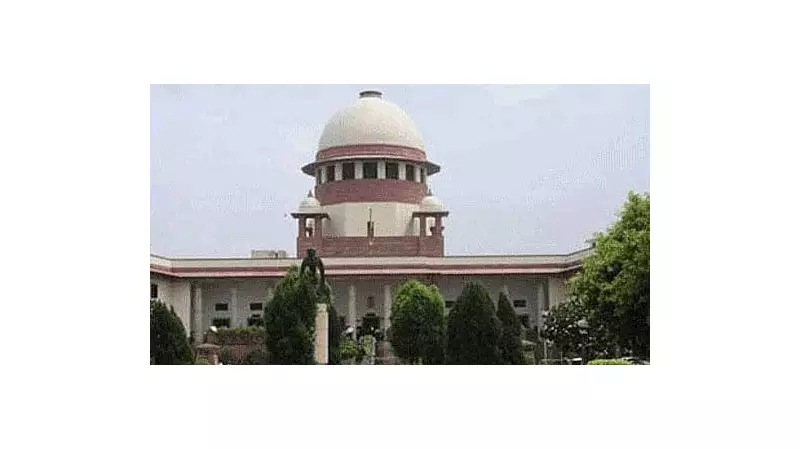
The Supreme Court of India has delivered a sharp rebuke to the Uttarakhand state government, accusing it of acting like a 'mute spectator' in a significant case involving the alleged illegal grabbing of government forest land. The case, which came up for hearing, revolves around a vast tract of 2,866 acres of forest land in the hill state.
The Core of the Controversy: Leased Land and Government Inaction
According to details presented before the apex court, a portion of this substantial forest land was leased out to an organization named Pashu Lok Seva Samiti. The court proceedings highlighted the apparent failure of the state authorities to take decisive action against what appears to be a serious case of encroachment on protected forest territory. The judges expressed strong dissatisfaction with the passive role adopted by the government machinery in safeguarding this vital environmental asset.
Supreme Court's Stern Observations
The bench did not mince words while commenting on the conduct of the Uttarakhand administration. The characterization of the government as a mute spectator underscores the judiciary's view that the executive has been negligent in its duty to protect forest land from illegal occupation. This observation places significant responsibility on the state to now actively pursue the matter, ensure the land is freed from encroachment, and hold accountable those responsible for the alleged grab.

Implications and Next Steps
The Supreme Court's intervention, dated 22 December 2025, brings this critical issue of environmental governance and land management into sharp national focus. The ruling is expected to compel the Uttarakhand government to initiate urgent and transparent measures to reclaim the land. This case also sets a precedent for how states are expected to act against powerful entities involved in the illegal occupation of forest areas, which are crucial for ecological balance and tribal communities.
Environmental activists and legal experts see this as a landmark moment where the judiciary has stepped in to fill a governance vacuum. The outcome of this case will be closely watched, as it has direct implications for the protection of India's dwindling forest cover and the enforcement of laws meant to preserve it.