Supreme Court Seeks Input on Three-Year Legal Practice Norm for Judicial Services Exam
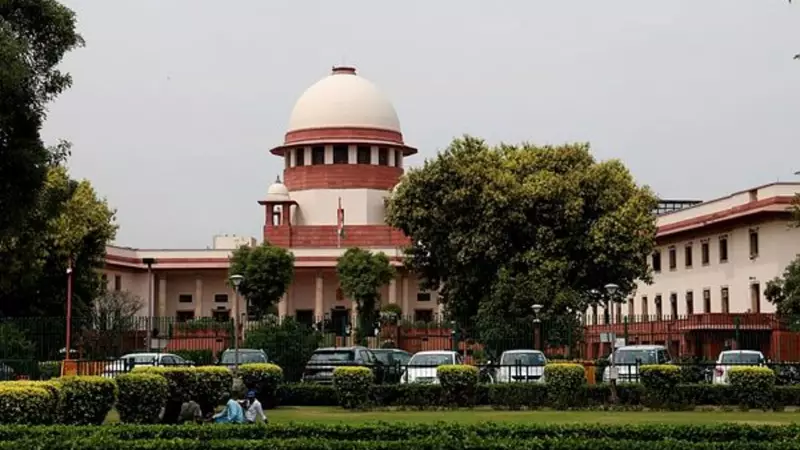
The Supreme Court of India has taken a significant step by seeking opinions from all High Courts and National Law Universities on the mandatory three-year legal practice requirement for the judicial services examination. This move comes after the court previously barred fresh law graduates from taking the entry-level exam, insisting on a minimum of three years of practice.
Bench Hears Plea for Exemptions
A bench led by Chief Justice Surya Kant, along with Justices Joymalya Bagchi and Vijay Bishnoi, heard a petition from Bhumika Trust. The trust requested an exemption from the three-year practice rule for law graduates who are Persons with Disabilities. They argued that specially-abled graduates often face hiring challenges in law firms, making it difficult for them to gain the required experience.
The bench, however, expressed concerns about creating different rules for specific groups. They emphasized that any changes to the eligibility criteria should apply uniformly to all law graduates. The court noted that allowing exemptions might lead to feelings of inferiority among exempted candidates once they join the judicial service.

Court's Rationale for Uniformity
"We find that young students are disappointed and demoralised as well with this decision," the court stated. "We are planning to get feedback from the students in the National Law Universities and all High Courts. If at all any variation is required, we will do it for everyone."
The court highlighted the importance of gathering broad perspectives before making any holistic decisions. They directed all High Courts to present the order to their chief justices and requested suggestions from High Courts, NLUs, and other law schools within four weeks.
Background of the Three-Year Rule
On May 20 last year, a bench headed by former Chief Justice B R Gavai implemented the three-year practice requirement. The decision came after evidence showed that recruiting fresh law graduates without practical experience had not been successful. Affidavits from High Courts indicated that such graduates often exhibited behavioral and temperamental issues upon entering judicial service.
The court acknowledged that young graduates might have limited opportunities but stressed that exposure to court proceedings, litigants, and legal briefs is crucial. This experience helps them understand the demanding duties and responsibilities within the judicial system. It fosters sensitivity to human problems, improves decision-making clarity, and educates them on the bar's role in justice dispensation.
Looking Ahead
The Supreme Court's current initiative aims to balance the need for practical experience with fairness for all candidates. By consulting widely, they hope to refine the judicial services exam criteria in a way that maintains high standards while considering diverse circumstances. The feedback from High Courts and law universities will play a key role in shaping future policies.