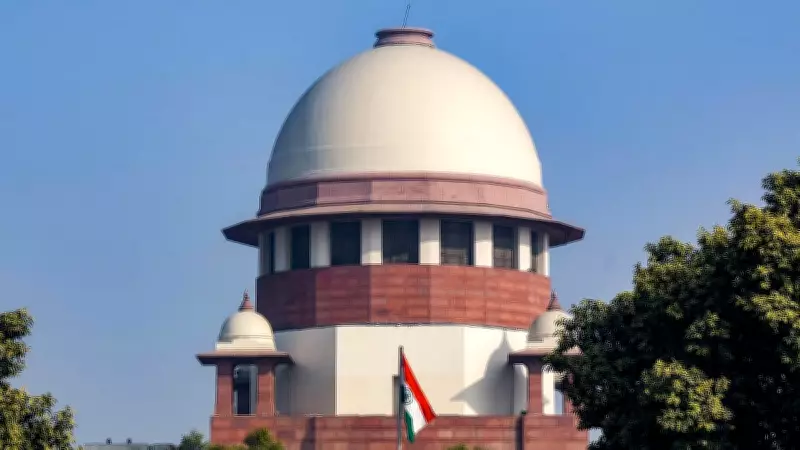
The Supreme Court on Wednesday sought a response from the Delhi Police on the bail pleas of two Indian Mujahideen (IM) operatives who have been incarcerated for the past 12 years without a trial. The bench, comprising Justices Abhay S. Oka and Augustine George Masih, issued notice to the Delhi Police and directed them to file their reply within four weeks.
Background of the Case
The two operatives, identified as Tariq Ahmed and Mohammed Sajid, were arrested in 2014 in connection with a conspiracy case related to the Indian Mujahideen. The group has been linked to several high-profile terror attacks across India, including the 2010 German Bakery blast in Pune, the Chinnaswami Stadium blast in Bengaluru in 2010, and the 2011 Jama Masjid attack in Delhi.
Their counsel argued before the court that the trial has not commenced even after 12 years of custody, violating their fundamental right to a speedy trial under Article 21 of the Constitution. The lawyers emphasized that the prolonged incarceration without trial amounts to punitive detention and sought bail on humanitarian grounds.

Supreme Court's Intervention
The Supreme Court observed that the delay in trial is a serious concern and asked the Delhi Police to explain the reasons for the delay. The bench noted that keeping undertrials in jail for such an extended period without trial cannot be justified unless there are compelling reasons. The court has listed the matter for further hearing after the Delhi Police submits its response.
The Indian Mujahideen is a banned terrorist organization that has been responsible for multiple bombings in India. The group is believed to have ties with the Pakistan-based Lashkar-e-Taiba and has been involved in attacks that have killed dozens of civilians.
Legal Implications
This case highlights the issue of undertrials languishing in Indian jails for years without trial. According to the National Crime Records Bureau, over 70% of prisoners in India are undertrials. The Supreme Court has in the past directed lower courts to expedite trials and grant bail to undertrials in cases where trial is delayed, except in serious offenses.
The court's decision in this case could set a precedent for other similar cases where accused persons have been in custody for extended periods without trial. The bail pleas of the two IM operatives are likely to be heard after the Delhi Police files its response.