Supreme Court Schedules Final Hearing on Citizenship Amendment Act Challenges
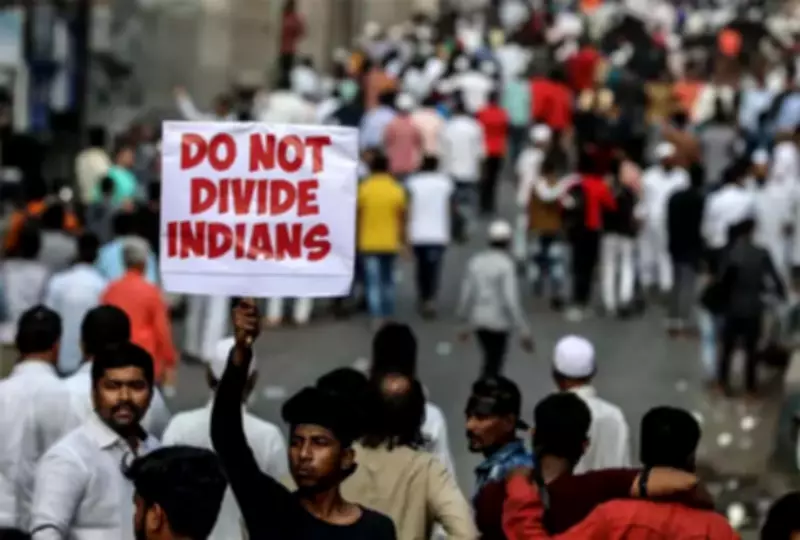
The Supreme Court of India has set a crucial four-day final hearing, commencing on May 5, to address 243 petitions challenging the constitutional validity of the Citizenship Amendment Act (CAA). This landmark legal proceeding comes more than six years after the enactment of the CAA in 2019, which initially sparked widespread protests and violent riots in Delhi.
Background and Legal Timeline
The CAA provides a pathway to Indian citizenship for Hindus, Sikhs, Jains, Parsis, and Christians who fled religious persecution in Pakistan, Bangladesh, and Afghanistan and entered India before December 31, 2014. However, it excludes Muslims from these countries, leading to allegations of religious discrimination.
On December 18, 2019, a three-judge bench, including current Chief Justice Surya Kant, issued notices to the central government regarding petitions that argued the CAA discriminates against Muslims. The Centre filed its response in October 2022, defending the CAA as "a benign piece of legislation" aimed at protecting persecuted minorities from three Islamic neighboring nations.
Procedural Details of the Upcoming Hearing
A bench comprising Chief Justice Surya Kant, Justice Joymalya Bagchi, and Justice Vipul M. Pancholi has outlined a structured schedule for the hearing. Petitioners, including Muslim organizations such as the Indian Union of Muslim League (designated as the lead petitioner), along with functionaries from the Congress, Trinamool Congress (TMC), and All India Majlis-e-Ittehadul Muslimeen (AIMIM), will present their arguments within one and a half days. The central government will then respond in a similar timeframe, with May 12 reserved for petitioners to file rejoinders.
Additionally, the bench agreed with Solicitor General Tushar Mehta to de-link challenges specific to Assam and Tripura, where separate accords govern migrant entry deadlines from Bangladesh, from the broader pan-India petitions.
Historical Context of Protests and Violence
The enactment of the CAA in December 2019 triggered significant civil unrest. Notably, protesters, primarily Muslim women supported by various political parties, blockaded Shaheen Bagh, a major arterial road in Delhi, from December 15, 2019, to March 24, 2020. Similar blockades occurred in other parts of the city.
The resulting tensions culminated in severe riots in northeast Delhi on February 23, 2020, which lasted several days and resulted in 53 fatalities. These events underscore the deep societal divisions and legal controversies surrounding the CAA.
Government's Defense and Counterarguments
In its 2022 response, the Centre countered claims of discrimination by stating, "CAA does not seek to recognise or seek to provide answers to all or any kind of purported persecution that may be taking place across the world or that may have taken place previously anywhere in the world." The government emphasized that the law is narrowly tailored to address specific historical persecutions in Pakistan, Bangladesh, and Afghanistan.
The Supreme Court last heard these petitions on March 19, 2024, coinciding with the year the Centre framed the Citizenship Amendment Rules, which operationalize the Act. This upcoming hearing represents a pivotal moment in determining the future of the CAA and its implications for India's citizenship framework.