Supreme Court Delivers Landmark Verdict for Gender Equality in Armed Forces
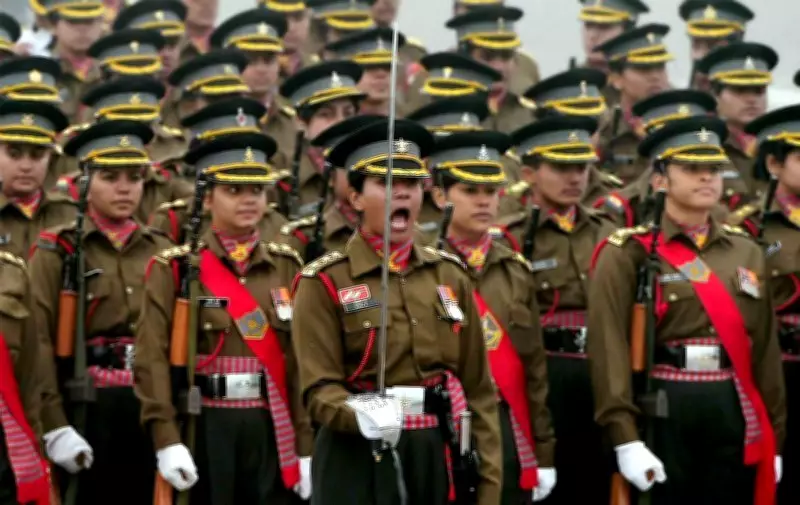
In a historic judgment that reinforces the principles of gender equality and justice, the Supreme Court of India has ruled that women Short Service Commission (SSC) officers are entitled to receive Permanent Commission in the military. This decision, invoking the court's extraordinary powers to ensure complete justice, marks a significant step toward dismantling systemic barriers and promoting inclusivity within the armed forces.
Addressing Systemic Bias and Discrimination
The court highlighted deep-seated systemic bias in military promotion practices, noting that the denial of Permanent Commission to women SSC officers reflected discrimination embedded within the existing evaluation framework. A Bench headed by Chief Justice Surya Kant emphasized that male Short Service Commission Officers cannot assume that Permanent Commission will remain exclusively male, as such exclusions stem from prejudiced assumptions rather than merit-based assessments.
Furthermore, the Supreme Court struck down the arbitrary cap of 250 women officers per year for Permanent Commission, declaring it not sacrosanct and a hindrance to fair opportunities. This removal is expected to open doors for more women to pursue long-term careers and ascend to senior leadership positions previously dominated by men.

Critique of Evaluation Practices
The ruling also shed light on flawed evaluation methods, pointing out that the Annual Confidential Reports (ACRs) of women officers were often assessed casually and without proper consideration. These assessments were influenced by a "preconceived assumption" that women would never qualify for Permanent Commission, thereby perpetuating gender-based disparities in career advancement.
By addressing these issues, the Supreme Court aims to create a more equitable environment where women officers can thrive based on their capabilities and contributions, rather than being sidelined by outdated biases.
Implications for Gender Parity and Military Reform
This judgment is widely seen as a major milestone in the journey toward gender parity in the Indian military. It enables women officers to envision and achieve long-term career paths, including roles in senior leadership that were once restricted. The decision aligns with broader efforts to reform military structures and promote diversity, ensuring that the armed forces reflect the values of a progressive society.
As the nation moves forward, this ruling sets a precedent for other institutions to reevaluate and eliminate discriminatory practices, fostering a culture of fairness and equal opportunity for all.