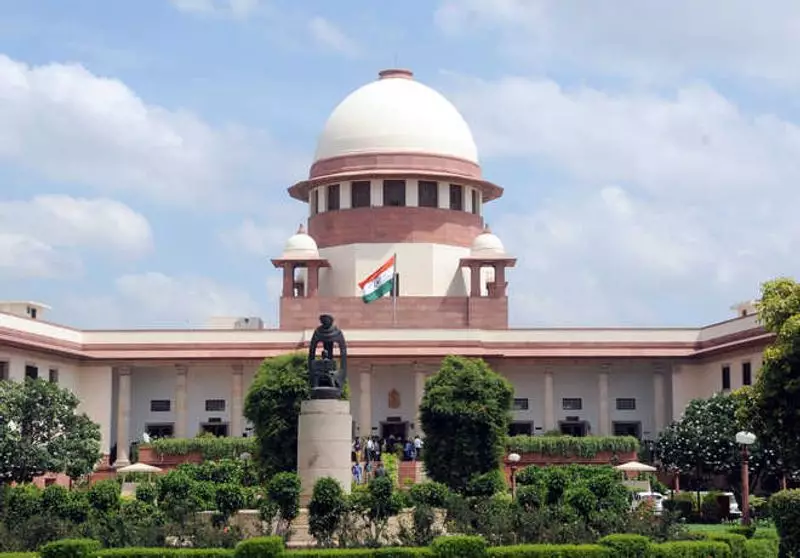
Supreme Court Clarifies Seat Allocation Rules for Reserved Category Candidates
The Supreme Court of India has issued a significant ruling on seat allocation in educational institutions and government jobs. This decision clarifies the eligibility of reserved category candidates for unreserved seats.
Key Details of the Court's Decision
The court stated that candidates from reserved categories can secure unreserved seats if their scores exceed the general cut-off marks. This ruling applies to admissions and recruitment processes across the country.
Previously, there was confusion about whether reserved category candidates could compete for unreserved seats. The Supreme Court has now provided clear guidelines to address this issue.

How the New Rule Works
Under the new guidelines, the process involves several steps:
- Institutions first fill the unreserved seats based on merit from the general category list.
- Reserved category candidates who score above the general cut-off are then considered for any remaining unreserved seats.
- This ensures that merit remains the primary criterion for seat allocation.
The court emphasized that this approach promotes fairness and transparency in the selection process.
Implications for Educational Institutions and Government Jobs
This ruling will affect numerous sectors:
- Educational Institutions: Colleges and universities must adjust their admission procedures to comply with the new guidelines.
- Government Recruitment: Public sector jobs will also follow these rules, impacting thousands of applicants annually.
- Future Policies: The decision may influence upcoming reservation policies and legal frameworks.
Experts believe this ruling could lead to more equitable opportunities for all candidates, regardless of their category.
Public and Legal Reactions
The decision has sparked discussions among various groups. Some applaud the court for upholding meritocracy, while others express concerns about potential implications for reservation benefits.
Legal analysts note that this ruling aligns with previous judgments that prioritize merit in seat allocation. They suggest that institutions should update their policies promptly to avoid legal challenges.
The Supreme Court's clarification aims to resolve long-standing ambiguities in reservation policies. It reinforces the principle that high-scoring candidates deserve opportunities based on their performance.