Supreme Court Declines to Intervene in Domestic Worker Wage Issue
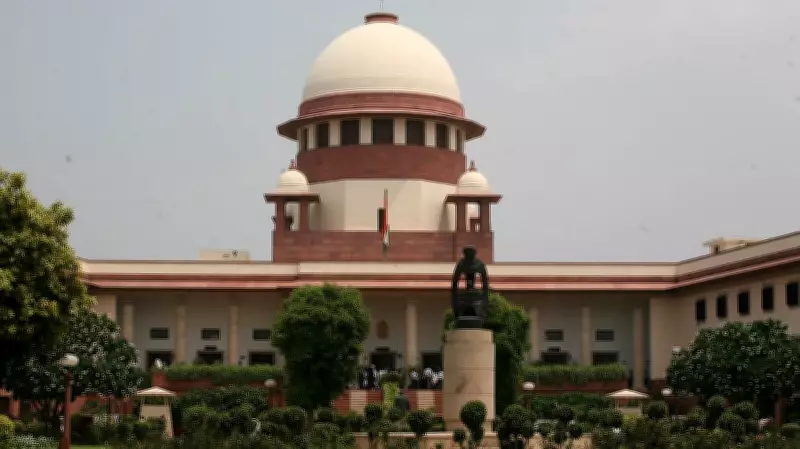
The Supreme Court of India has firmly refused to entertain a public interest litigation (PIL) that sought the court's intervention to mandate minimum wages for domestic workers nationwide. In a significant ruling, the apex court emphasized that such matters fall squarely within the domain of legislative policy-making, not judicial adjudication.
Judicial Restraint on Policy Matters
The bench, led by Chief Justice of India D.Y. Chandrachud, underscored the principle of separation of powers, stating that the determination of wage structures and labour regulations is a complex socio-economic issue best left to Parliament and state legislatures. The court noted that while the welfare of domestic workers is undoubtedly important, it cannot overstep its constitutional boundaries by directing the government on specific wage policies.
This decision highlights the judiciary's cautious approach in matters requiring extensive economic analysis and stakeholder consultation, which are typically handled through the democratic legislative process. The petitioners had argued that domestic workers, predominantly women from marginalized communities, face exploitation due to the absence of standardized wage protections.
Existing Legal Framework and Gaps
Currently, domestic work in India is largely unregulated under central labour laws, with some states having enacted their own rules. The petition pointed to the lack of a uniform national framework, leading to wide disparities in wages and working conditions. The court acknowledged these concerns but maintained that judicial intervention would be inappropriate without clear legislative intent.
The ruling has sparked discussions among labour rights activists and legal experts. Proponents of the plea argue that the judiciary has previously intervened in similar labour rights cases, setting precedents for social justice. However, the court distinguished this case by emphasizing the need for comprehensive policy formulation involving multiple stakeholders.
Potential Legislative Pathways
Following the dismissal, attention now shifts to potential legislative actions. The Central Government has previously considered amendments to labour codes to include domestic workers, but progress has been slow. Key points include:
- The need for a national database of domestic workers to ensure effective implementation of any future wage laws.
- Consultations with state governments, employers' associations, and worker unions to design a feasible wage structure.
- Incorporating provisions for social security, working hours, and grievance redressal mechanisms alongside wage regulations.
This Supreme Court decision reinforces the constitutional demarcation between judicial and legislative functions, while keeping the spotlight on the urgent need for policy reforms to protect one of India's largest informal workforce segments.