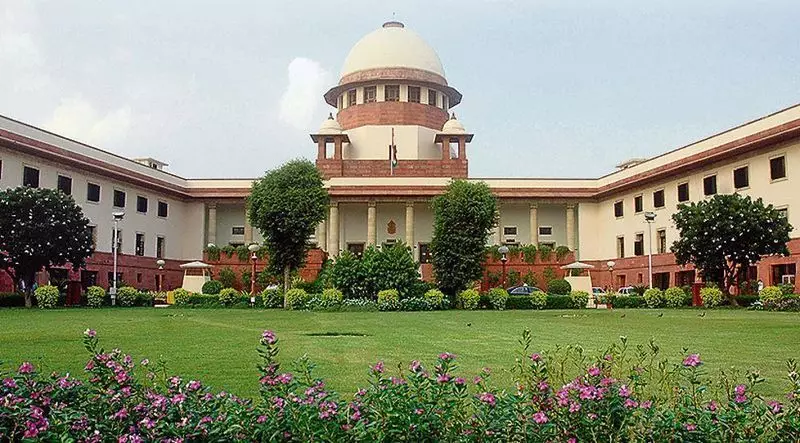
In a significant verdict that reinforces the boundaries of India's reservation policy, the Supreme Court has firmly rejected a Public Interest Litigation (PIL) that sought to mandate quota systems in non-governmental organizations and autonomous bodies receiving government aid or grants.
Judicial Stand on Reservation Boundaries
The bench, comprising Justices DY Chandrachud and Hima Kohli, delivered a clear message that the constitutional framework of reservations cannot be extended indiscriminately to private entities, even those receiving some form of government support. The court emphasized that such a move would overstep the intended scope of affirmative action policies.
Key Arguments Considered
The PIL had argued that organizations benefiting from public funds should be subject to the same reservation requirements as government institutions. However, the court identified several critical flaws in this reasoning:
- Autonomous bodies and NGOs maintain distinct legal identities separate from government entities
- The receipt of grants doesn't transform these organizations into state instruments
- Extending reservation mandates could undermine organizational autonomy and functionality
Broader Implications for Social Policy
This ruling carries substantial implications for India's ongoing debate about social justice and equal opportunity. While reaffirming the importance of reservations in public institutions, the court has drawn a clear line at extending these requirements to the private and semi-private sectors.
The judgment underscores that while social justice remains a paramount concern, it must be balanced against other constitutional values including organizational freedom and practical governance considerations.
Reaction from Legal Experts
Constitutional lawyers have largely welcomed the decision, noting that it maintains the delicate balance between affirmative action and individual organizational rights. Many experts suggest this ruling will provide much-needed clarity for thousands of organizations operating across India's social sector.
The Supreme Court's firm stance is expected to set a precedent for future cases attempting to expand reservation requirements beyond their traditional domains, ensuring that India's affirmative action policies remain both effective and constitutionally sound.