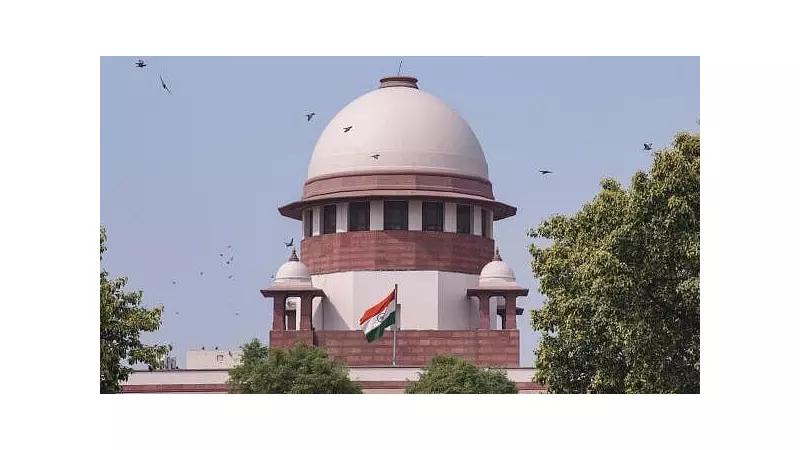
The Supreme Court of India has dismissed a Public Interest Litigation (PIL) that sought the enforcement of the Lyngdoh Committee recommendations for student union elections across the country. This decision, delivered on 06 January 2026, marks a significant moment in the ongoing debate about the regulation of campus politics.
What Was the Lyngdoh Committee?
The central government had formed the Lyngdoh Committee following a directive from the Supreme Court itself. The committee's primary mandate was to propose guidelines to cleanse student elections of undue influence. Its comprehensive report aimed to establish a framework that would eliminate 'money and muscle power' from the electoral process within educational institutions. Simultaneously, it sought to ensure that academic standards were not compromised by the fervor of political activities.
The Court's Decision and Its Implications
By rejecting the PIL, the Supreme Court has chosen not to intervene with a mandamus for the nationwide enforcement of these norms at this juncture. The plea had argued for strict implementation to ensure free and fair student polls, devoid of the corrupt practices the committee identified. The court's ruling implies that the enforcement of these guidelines remains a matter to be potentially addressed by educational authorities or through other legal avenues, rather than a sweeping judicial order.

Broader Context of Campus Politics
The issue of money and muscle power in student elections has been a long-standing concern in India. Campuses often serve as nurseries for future political leaders, and the nature of these campus elections is seen as a reflection of broader political trends. The Lyngdoh Committee's recommendations were celebrated by many as a necessary step to protect the sanctity of democratic processes within universities and colleges. They included provisions on candidate eligibility, campaign expenditure limits, and the conduct of elections to maintain a level playing field.
While the Supreme Court's latest order does not comment on the merits of the committee's work, it halts the specific legal push for their uniform enforcement. The decision leaves the door open for individual universities or state governments to voluntarily adopt these or similar norms to govern their student union polls. The debate on how best to conduct campus elections, balancing democratic expression with academic integrity, is sure to continue.