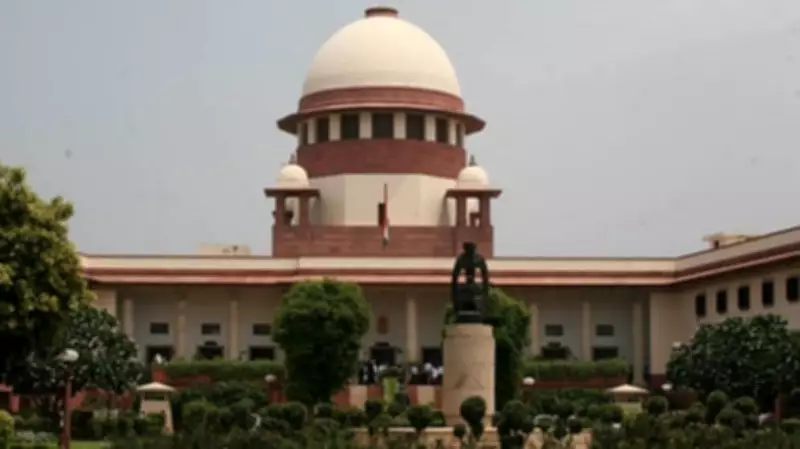
Supreme Court Dismisses Plea Against Caste Census, Criticizes Petitioner's Language
The Supreme Court of India has refused to entertain a public interest litigation (PIL) challenging the caste census, delivering a sharp rebuke to the petitioner for the poor language and drafting of the plea. In a hearing on April 10, 2026, the court expressed dissatisfaction with the quality of the petition, which it described as inadequately prepared, leading to its dismissal without further consideration.
Details of the Dismissed Plea
The plea, filed by an individual petitioner, sought to halt the caste census process, arguing against its implementation on unspecified grounds. Additionally, the petition included a secondary request for the Central Government to formulate policies providing economic incentives to families with a single child. This dual focus was noted by the court, which found the plea lacking in clarity and legal merit.
The court's criticism centered on the poor language and structure of the petition, emphasizing that such filings must meet basic standards of legal drafting to be considered. The judges highlighted that vague and poorly articulated pleas waste judicial time and resources, underscoring the importance of precision in legal documents.

Broader Implications and Context
This dismissal comes amid ongoing debates about caste-based data collection in India, with proponents arguing it aids in targeted welfare schemes, while opponents raise concerns about privacy and social division. The Supreme Court's refusal to entertain the plea does not directly address the merits of the caste census but reinforces procedural standards for PILs.
The court's stance on the economic incentives for single-child families was not elaborated upon, as the primary focus remained on the petition's deficiencies. However, this aspect touches on broader policy discussions about population control and family welfare in India, which have been subjects of governmental and public discourse.
In summary, the Supreme Court's decision underscores the judiciary's commitment to maintaining high standards in legal proceedings, while the dismissed plea highlights the complexities surrounding caste census and family incentive policies in the country.