Supreme Court Declines to Issue Directions on Domestic Workers' Welfare
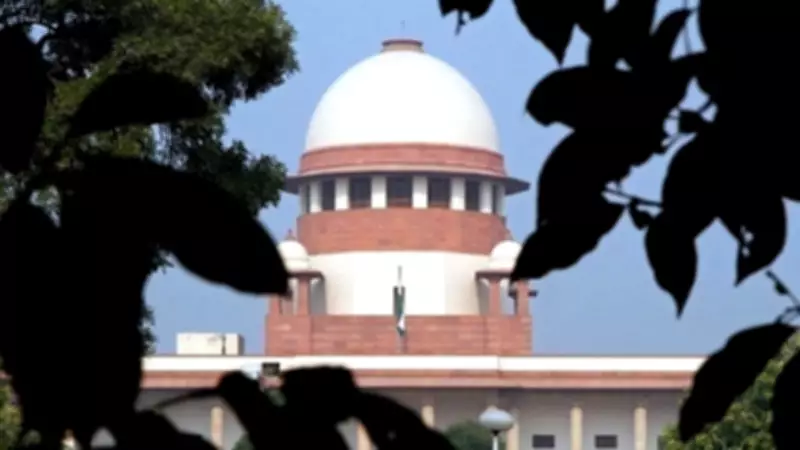
The Supreme Court of India has refused to issue specific directions to the Central government and state governments concerning the implementation of welfare measures for domestic helps. This decision comes amid ongoing discussions about the rights and protections for this significant segment of the workforce.
Court's Stance on Government Responsibilities
In its ruling, the top court emphasized that it would not intervene to mandate welfare schemes for domestic workers, leaving such matters to the discretion of the legislative and executive branches. The court highlighted that while the welfare of domestic helps is important, it falls within the domain of policy-making by the Centre and states.
Observations on Trade Unionism and Industrial Growth
During the proceedings, the Supreme Court also made notable observations regarding trade unionism in India. The court stated that trade union activities have been largely responsible for impeding industrial growth in the country. This remark underscores concerns about how labor movements might affect economic development and productivity.

Implications for Domestic Workers
Domestic workers, who form a crucial part of the informal economy, often lack access to social security, minimum wages, and other benefits. The court's refusal to direct welfare measures means that advocacy for their rights will continue to rely on government initiatives and public pressure, rather than judicial intervention.
Broader Context of Labor and Industry
The court's comments on trade unionism reflect broader debates about balancing workers' rights with industrial efficiency. In recent years, India has seen various reforms aimed at boosting manufacturing and growth, but challenges persist in ensuring fair labor practices across sectors.
This ruling is expected to influence future discussions on labor laws and welfare policies, as stakeholders navigate the complexities of protecting vulnerable workers while fostering economic progress.