Supreme Court Declines to Intervene in Bhopal Gas Waste Mercury Risk Plea
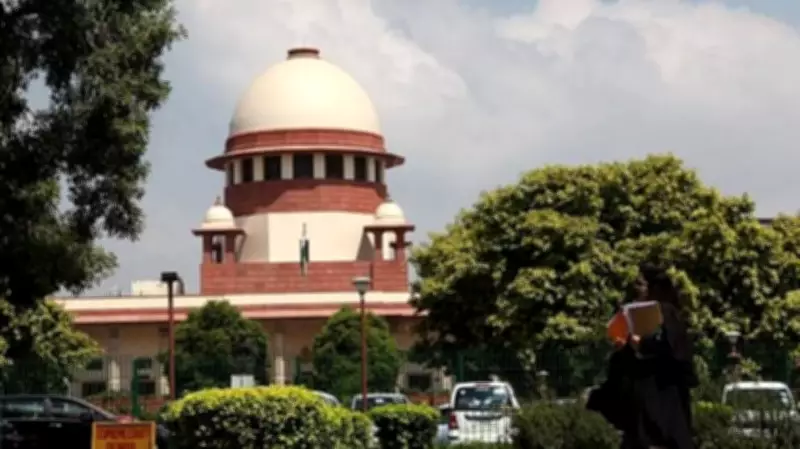
The Supreme Court of India has made a significant decision by refusing to interfere in a plea that raised concerns about the potential risk of mercury leakage from the waste associated with the Bhopal gas tragedy. This landmark case, which has drawn national attention, underscores the ongoing legal and environmental challenges stemming from the 1984 industrial disaster in Madhya Pradesh.
Court Directs Petitioner to Approach Madhya Pradesh High Court
In a pivotal move, the top court has instructed the Bhopal Gas Peedith Sangharsh Sahyog Samiti, the petitioner in this matter, to seek redressal from the Madhya Pradesh High Court. This directive is based on the fact that the High Court has been actively monitoring the rehabilitation efforts and related issues for more than three decades. The Supreme Court emphasized that the High Court is better positioned to handle this specific plea due to its extensive involvement and oversight of the long-term aftermath of the tragedy.
The plea specifically highlighted fears of mercury contamination from the stored waste, which could pose severe health and environmental hazards. Mercury, a toxic heavy metal, is known to cause serious neurological and developmental issues, making this a critical public health concern. The petitioner argued that immediate action is necessary to prevent any potential leakage that might exacerbate the already devastating impact of the gas leak.
Background and Implications of the Decision
The Bhopal gas tragedy, one of the world's worst industrial disasters, occurred in December 1984 when methyl isocyanate gas leaked from a pesticide plant owned by Union Carbide India Limited. The incident resulted in thousands of deaths and long-term health problems for survivors. Over the years, the disposal and management of the toxic waste left behind have remained contentious issues, with various groups advocating for safer cleanup measures.
By redirecting the plea to the Madhya Pradesh High Court, the Supreme Court has acknowledged the specialized jurisdiction and ongoing efforts of the lower court. This decision aims to ensure that the matter is addressed within a framework that has historically dealt with the complex rehabilitation and environmental restoration processes. It also reflects the judiciary's approach to streamlining cases based on jurisdictional appropriateness and prior involvement.
Key points from the court's ruling include:
- The Supreme Court's refusal to directly intervene in the mercury leakage risk plea.
- The directive for the Bhopal Gas Peedith Sangharsh Sahyog Samiti to approach the Madhya Pradesh High Court.
- Recognition of the High Court's three-decade-long monitoring role in rehabilitation and related issues.
- Focus on preventing potential environmental and health risks from mercury contamination.
This development comes amid growing public and legal scrutiny over environmental safety and disaster management in India. It highlights the persistent challenges in addressing the legacy of industrial accidents and the need for coordinated judicial and governmental action. The decision is expected to influence future cases involving environmental hazards and disaster response, setting a precedent for how such matters are handled in the Indian legal system.
As the case moves to the Madhya Pradesh High Court, stakeholders, including survivors and environmental activists, will be closely watching the proceedings. The outcome could have significant implications for the ongoing efforts to mitigate the long-term effects of the Bhopal gas tragedy and ensure safer waste management practices. This ruling underscores the importance of sustained judicial oversight in complex environmental and public health issues, reinforcing the role of courts in safeguarding community welfare.