Supreme Court Rejects Bail Plea of Former BJP MLA Kuldeep Sengar in Unnao Case
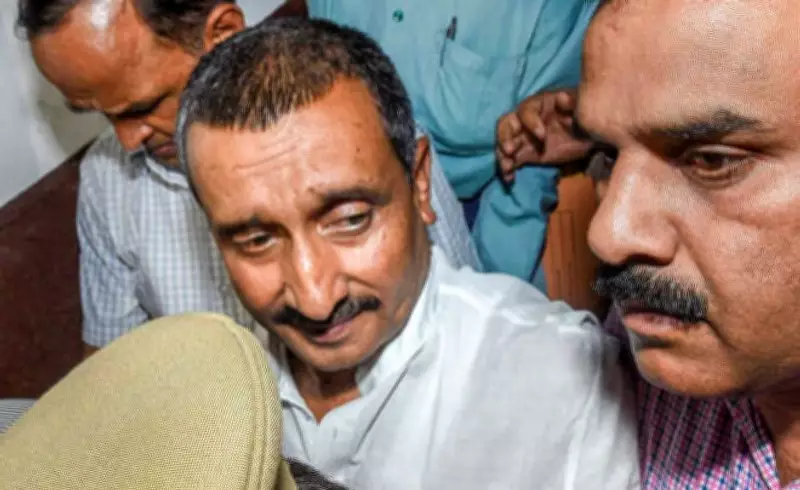
The Supreme Court of India has firmly declined to entertain the bail application filed by former Bharatiya Janata Party (BJP) Member of Legislative Assembly (MLA) Kuldeep Sengar. This plea was specifically related to the case concerning the tragic death of the father of the Unnao rape survivor. The court's decision underscores the gravity of the allegations and the ongoing judicial process.
Background of the Unnao Rape Case
The Unnao rape case, which has garnered significant national attention, involves serious allegations against Kuldeep Sengar. He is accused of raping a minor girl in Unnao, Uttar Pradesh, in 2017. In a related and deeply distressing incident, the survivor's father died while in judicial custody in 2018. Authorities have alleged that his death was a result of torture and negligence, with Sengar and others being implicated in this aspect of the case.
This case has highlighted critical issues within the Indian legal and political systems, including concerns over the safety of victims and the accountability of public figures. The Supreme Court has been actively monitoring the proceedings to ensure a fair and expedited trial.
Supreme Court's Rationale for Denying Bail
During the hearing, the Supreme Court bench emphasized the serious nature of the charges against Kuldeep Sengar. The court noted that the case involves not only the rape allegations but also the subsequent death of the survivor's father, which adds a layer of complexity and severity. The judges expressed concerns that granting bail could potentially interfere with the ongoing investigation and trial proceedings.
The court stated that the bail plea was premature given the current stage of the case. It highlighted that Sengar is facing multiple charges under various sections of the Indian Penal Code, including those related to rape, murder, and criminal conspiracy. The bench reiterated its commitment to ensuring justice for the victim and her family, stressing that any decision must prioritize the integrity of the judicial process.
Implications of the Supreme Court's Decision
This ruling by the Supreme Court has several important implications:
- It reinforces the judiciary's stance on handling high-profile cases involving serious crimes.
- The decision may impact future bail applications in similar cases, setting a precedent for strict scrutiny.
- It provides a measure of reassurance to the victim and her family, demonstrating that the legal system is taking the matter seriously.
- The ongoing trial will continue without interruption, as Sengar remains in custody.
Legal experts have noted that this move aligns with the Supreme Court's broader efforts to expedite trials in cases of sexual violence and ensure that powerful individuals do not evade justice. The court has previously taken suo motu cognizance of the Unnao case to monitor its progress closely.
Current Status of the Case and Next Steps
Kuldeep Sengar is currently lodged in jail, and the trial in the Unnao rape case is ongoing in a special court. The Supreme Court has directed the lower courts to proceed with the hearings promptly, avoiding any unnecessary delays. The next hearing in the case is scheduled for the coming weeks, where further evidence and witness testimonies will be presented.
In addition to the rape charges, Sengar is also facing trial for his alleged involvement in the death of the survivor's father. The Central Bureau of Investigation (CBI) is handling the investigation, and chargesheets have been filed in both matters. The Supreme Court's refusal to grant bail ensures that Sengar will remain in judicial custody as these proceedings advance.
This development marks a critical juncture in the Unnao case, reflecting the judiciary's unwavering focus on delivering justice. It serves as a reminder of the legal system's role in upholding the rights of victims and holding perpetrators accountable, regardless of their political or social stature.