Supreme Court Bench Questions Temple Exclusion Practices
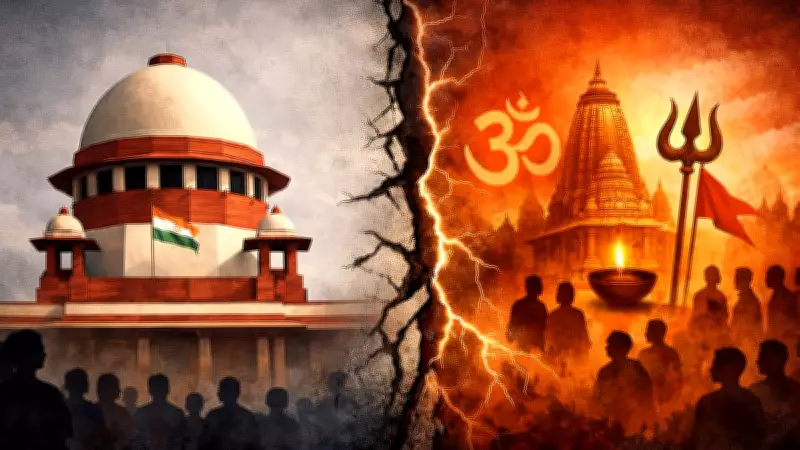
A nine-judge Constitution bench of the Supreme Court of India has made a significant remark regarding the exclusion of devotees from certain temples and religious institutions known as maths. The bench explicitly stated that such practices are 'not good for Hinduism.' This observation came during a crucial hearing on a series of petitions that challenge discriminatory practices against women and other devotees at various religious places across the country.
Context of the Hearing and Key Cases
The bench is currently examining multiple petitions that allege systematic discrimination at religious sites. A primary focus of these hearings is the long-standing controversy surrounding the Sabarimala Temple in Kerala, where women of menstruating age have historically been barred from entry. The court's remarks underscore a broader judicial scrutiny of religious customs that may conflict with constitutional principles of equality and non-discrimination.
During the proceedings, the justices engaged in a detailed discussion about the theological and social implications of exclusionary practices. They questioned whether such traditions, often defended on grounds of religious freedom, align with the inclusive and progressive values that many associate with Hinduism. The bench emphasized that exclusion could potentially harm the religion's image and its ability to adapt to modern societal norms.

Implications for Religious Freedom and Equality
This hearing is part of a larger constitutional debate in India, balancing the right to religious freedom under Article 25 with the fundamental rights to equality and non-discrimination enshrined in Articles 14 and 15. The Supreme Court's questioning signals a potential shift towards interpreting religious practices through a lens of constitutional morality.
Legal experts suggest that the bench's remarks could pave the way for landmark judgments that redefine the boundaries between religious autonomy and individual rights. The outcome may have far-reaching consequences not only for the Sabarimala case but also for similar disputes involving other temples and religious institutions across India.
Public and Political Reactions
The Supreme Court's comments have sparked a wide range of reactions from various stakeholders:
- Religious groups have expressed concerns about judicial overreach into matters of faith and tradition.
- Women's rights activists have welcomed the court's stance, viewing it as a step towards gender equality in religious spaces.
- Political observers note that this issue touches on sensitive cultural and political debates in India, particularly in states like Kerala where the Sabarimala temple holds deep significance.
As the hearings continue, the Supreme Court is expected to delve deeper into the historical, theological, and legal aspects of temple entry restrictions. The bench's final ruling could set a precedent for how Indian courts address conflicts between religious customs and constitutional rights in the future.