Supreme Court Seeks Centre's Stance on Non-Devotees and Sabarimala Temple Customs
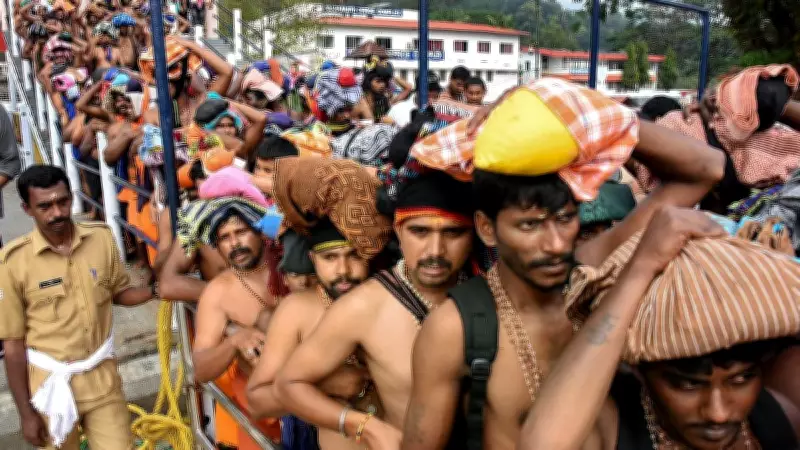
The Supreme Court of India has directed the central government to provide its official position on a critical legal question: whether individuals who are not devotees of Lord Ayyappa possess the legal standing to challenge the age-old customs and traditions observed at the Sabarimala temple in Kerala. This inquiry arises from ongoing petitions that question the temple's practices, particularly those related to entry restrictions.
Legal and Religious Implications of the Court's Query
The apex court's move underscores a significant intersection of constitutional law and religious freedom. By asking the Centre to clarify if non-devotees can initiate such challenges, the judiciary is probing the boundaries of who has the right to intervene in matters of faith. This issue gained prominence after the Supreme Court's 2018 verdict, which allowed women of all ages to enter the temple, a decision that sparked widespread protests and later review petitions.
The court emphasized that the matter involves deep-seated religious beliefs and requires careful consideration of both legal principles and devotional sentiments. It noted that the customs at Sabarimala, dedicated to Lord Ayyappa—a celibate deity—are rooted in centuries of tradition and are upheld by millions of devotees. The bench, led by Chief Justice of India, is examining whether outsiders without a personal stake in the deity can contest these practices under the Constitution's provisions for equality and non-discrimination.

Background and Broader Context of the Sabarimala Dispute
The Sabarimala temple has been at the center of legal and social debates for years, primarily concerning its ban on the entry of women aged 10 to 50, based on the belief that Lord Ayyappa is a celibate god. In 2018, the Supreme Court overturned this ban, citing gender equality. However, the implementation faced resistance, leading to review petitions and a subsequent referral to a larger bench in 2019. The current query about non-devotees adds a new layer to this complex issue, as it questions the very locus standi of petitioners.
Legal experts suggest that this development could set a precedent for how religious customs are challenged in Indian courts. If the Centre asserts that only devotees have the right to raise such issues, it might limit external interventions in religious matters. Conversely, a broader interpretation could empower more individuals to seek changes based on constitutional rights. The court has also sought inputs from the Kerala government and other stakeholders, indicating a comprehensive approach to resolving the matter.
Potential Outcomes and Future Proceedings
The Supreme Court's directive is expected to influence not only the Sabarimala case but also similar disputes across India. Key points to watch include:
- The Centre's response, which will clarify the government's stance on religious autonomy versus individual rights.
- Reactions from devotees and religious groups, who may view this as a defense of their traditions.
- Implications for other temples and religious institutions facing legal challenges over customs.
The next hearing is scheduled for a later date, where the court will review the Centre's submission and possibly frame guidelines on who can petition against religious practices. This case continues to highlight the delicate balance between preserving cultural heritage and upholding modern legal standards in India's diverse society.