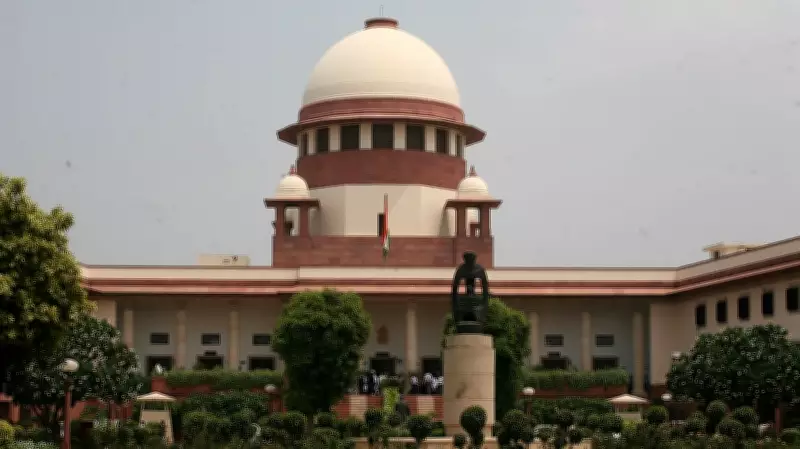
Supreme Court Mandates Judicial Approval for Police Investigation Progression
In a landmark ruling that reinforces the importance of judicial oversight in criminal investigations, the Supreme Court of India has mandated that police authorities must seek explicit court approval before initiating or continuing further investigation in ongoing cases. This decision comes as a significant development in the legal framework governing law enforcement procedures across the country.
Court's Stance on Procedural Defiance
The apex court took strong exception to a specific instance where a Superintendent of Police ordered further investigation in a case related to an alleged gang rape, acting in what the court described as complete defiance of established legal procedures. The court emphasized that such actions undermine the rule of law and compromise the integrity of the judicial process.
This ruling underscores the necessity for police to strictly adhere to the procedural safeguards laid down under Indian law, ensuring that investigations are conducted transparently and with proper judicial scrutiny. The Supreme Court highlighted that bypassing these protocols can lead to potential miscarriages of justice and erode public trust in the legal system.
Implications for Law Enforcement
The directive from the Supreme Court has far-reaching implications for police departments nationwide. Key aspects include:
- Enhanced Judicial Oversight: Police must now obtain a formal nod from the court before proceeding with any further investigative steps, which adds an extra layer of accountability.
- Prevention of Arbitrary Actions: This measure aims to curb any arbitrary or unilateral decisions by law enforcement officials, ensuring that investigations are conducted within the bounds of the law.
- Protection of Rights: By requiring court approval, the ruling seeks to protect the rights of the accused and victims alike, promoting fairness and due process in criminal proceedings.
The Supreme Court's decision is expected to set a precedent for future cases, reinforcing the principle that no investigation should proceed without proper judicial authorization. Legal experts have welcomed this move, noting that it aligns with global best practices in criminal justice and strengthens the checks and balances within India's legal system.
As the ruling takes effect, police authorities are advised to review their investigative protocols and ensure compliance with this new mandate to avoid legal repercussions and uphold the sanctity of the judicial process.