Supreme Court Calls for National Green Cover Strategy
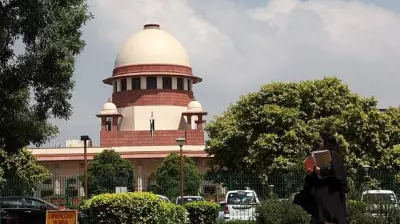
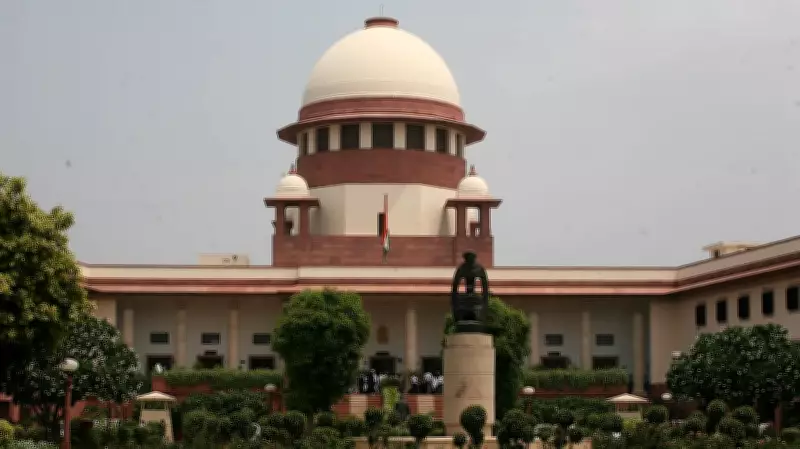
The Supreme Court of India has issued a significant observation, urging a fundamental shift in the national approach to environmental conservation. A bench comprising Chief Justice Surya Kant and Justices Joymalya Bagchi and Vipul M Pancholi highlighted the critical need to move beyond the prevailing mindset that prioritizes greenery primarily for the capital city of Delhi.
Holistic Vision for Environmental Sustainability
During the proceedings, the bench explicitly stated that there is an urgent requirement to adopt a holistic and comprehensive strategy regarding the issue of green cover across the entire nation. The justices emphasized that environmental concerns and the necessity for lush, healthy ecosystems are not confined to any single metropolitan area or region.
The court's remarks underscore a growing recognition that urban planning and development policies must integrate green spaces as a fundamental component for all cities and towns, rather than treating it as an exclusive priority for Delhi. This perspective aims to address the escalating challenges of air pollution, climate change, and biodiversity loss that affect various parts of the country.
Implications for Policy and Urban Development
The observation from the Supreme Court carries profound implications for both central and state governments. It signals a judicial push towards more equitable environmental governance, where:
- Green cover initiatives are distributed and implemented nationwide.
- Local bodies are encouraged to develop and maintain parks, forests, and urban green belts.
- Environmental sustainability becomes a core metric in evaluating developmental projects.
By advocating for this holistic approach, the court aims to foster a culture where ecological balance and public health are prioritized uniformly, ensuring that citizens across India benefit from improved air quality, enhanced recreational spaces, and resilient ecosystems. This directive is expected to influence upcoming policies and legal frameworks related to urban development and environmental protection.
Broader Context and Future Directions
This judicial intervention comes at a time when India faces mounting environmental pressures, including deforestation, urban heat islands, and deteriorating air quality in multiple cities. The Supreme Court's stance reinforces the principle that environmental justice must be accessible to all, transcending geographical and socio-economic boundaries.
Moving forward, stakeholders including government agencies, environmental organizations, and community groups may need to collaborate more closely to translate this holistic vision into actionable plans. The court's emphasis serves as a reminder that sustainable development is not a luxury reserved for the capital but a fundamental right and necessity for every region of the country.