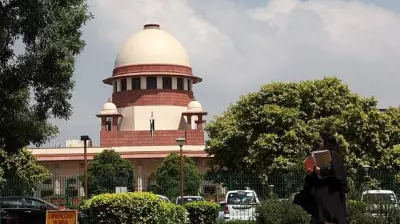
Supreme Court Raises Concerns Over Mandatory Menstrual Leave Policies
The Supreme Court of India has issued a significant warning regarding the implementation of mandatory period leave for women in the workplace. According to the court, such policies, while well-intentioned, carry the potential to inadvertently solidify societal stigma surrounding menstruation. This judicial observation highlights a critical tension between supporting women's health and maintaining gender equality in professional environments.
Risk of Reinforcing Stigma and Gender Disparities
The court emphasized that compulsory menstrual leave could lead to unintended consequences by reinforcing negative stereotypes about menstruation. By formally recognizing menstruation as a condition requiring special accommodation, employers might unconsciously perpetuate the idea that women are less reliable or capable during their menstrual cycles. This perception could, in turn, influence hiring and promotion decisions, subtly disadvantaging female employees.
Furthermore, the Supreme Court pointed out that mandatory leave policies might exacerbate the existing gender gap in work opportunities. In competitive job markets, employers could show a preference for male candidates to avoid the perceived inconvenience and cost associated with providing menstrual leave. This dynamic could undermine efforts to achieve gender parity in various industries, from corporate sectors to manufacturing.
Broader Implications for Workplace Equality
The debate over period leave touches on fundamental issues of workplace fairness and health support. Proponents argue that such leave is necessary to address the physical and emotional challenges some women face during menstruation, including severe pain, fatigue, and other symptoms that can impair productivity. They advocate for policies that acknowledge these realities without shame or discrimination.
However, the Supreme Court's stance suggests a need for a more nuanced approach. Instead of mandatory leave, the court implied that flexible work arrangements or voluntary leave options might be more effective in balancing health needs with equality concerns. This perspective encourages workplaces to develop inclusive strategies that support all employees without reinforcing gender-based stereotypes.
Global Context and Future Directions
Globally, countries like Japan, South Korea, and Indonesia have implemented menstrual leave policies with varying degrees of success. These examples provide valuable lessons on how such measures can impact women's participation in the workforce. In India, the Supreme Court's intervention adds a legal dimension to the ongoing discussion, urging policymakers and employers to consider the long-term effects on gender equality.
As this issue gains attention, it is crucial to foster open dialogues about menstruation in professional settings. Education and awareness campaigns can help dismantle stigma, while tailored support systems can ensure that women receive the accommodations they need without compromising their career prospects. The Supreme Court's warning serves as a reminder that well-meaning policies must be carefully designed to avoid unintended negative outcomes.