The Supreme Court of India has stepped into the high-profile Pune Porsche hit-and-run case, issuing a formal notice on the bail applications of two accused businessmen. This move comes after the Bombay High Court rejected bail for eight individuals connected to the tragic 2024 incident that claimed the lives of two young software engineers.
Supreme Court Steps In After High Court Denial
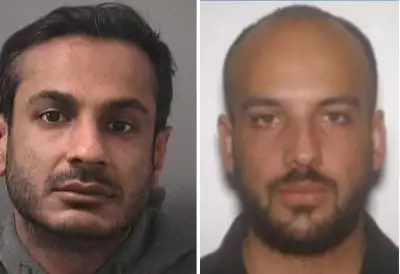
A bench comprising Justices B V Nagarathna and Ujjal Bhuyan took up the pleas filed by Ashish Mittal and Aditya Sood. They are challenging a December 16, 2025 order from the Bombay High Court that denied them and six others pre-trial release. The apex court's notice means it will now hear arguments from both the accused and the prosecution before deciding on the bail matter.
The Fatal Crash and Ensuing Cover-Up Allegations
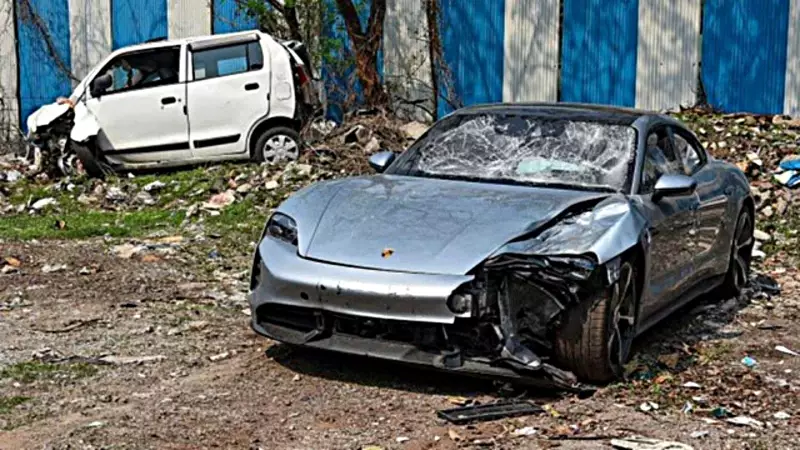
The case stems from a horrific accident on May 19, 2024. Two software engineers, Aneesh Awadhiya and Ashwini Koshta, were killed when a speeding Porsche Taycan, allegedly driven by an intoxicated 17-and-a-half-year-old from a prominent Pune real estate family, slammed into their motorcycle at Kalyani Nagar junction. The minor and his friends were reportedly celebrating their Class 12 exam results.
What began as a tragic accident quickly spiraled into a scandal involving alleged systemic corruption. The police investigation uncovered a web of purported cover-ups, including bribery, abuse of power, and evidence tampering at Pune's government-run Sassoon General Hospital. Central to the case is the accusation that the blood sample of the minor driver was swapped with that of his mother to conceal his drunken state.
High Court's Stern Rejection and Reasoning
In its detailed order denying bail, the Bombay High Court painted a grim picture of calculated conspiracy. The court observed that the collective aim of the applicants was to tamper with evidence by falsifying medical records at a government hospital through premeditated planning.
The judgment heavily relied on forensic reports, noting that the chemical analysis and DNA findings clearly indicated a completely different method was used to collect blood samples, orchestrated solely for a bribe. The court also highlighted attempts to interfere with the medical officer even during a subsequent sample collection at Aundh hospital.
Expressing deep apprehension, the High Court stated that granting bail, even with strict conditions, could allow the accused to use their money power and social dominance to tamper with prosecution evidence and witnesses. This, the court feared, would thwart the course of justice in a case already marred by unusual delays in medical examination post-accident.
The court concluded that the prosecution's fear of evidence tampering was well-founded. It decided bail should not be granted at least until the examination of key material witnesses, who were deemed vulnerable to pressure, was completed. With the Supreme Court now involved, the legal battle intensifies as the nation watches for the next development in this saga of tragedy, alleged privilege, and the pursuit of justice.