Supreme Court Dismisses PETA Plea, Upholds Statewide Bull Races in Karnataka
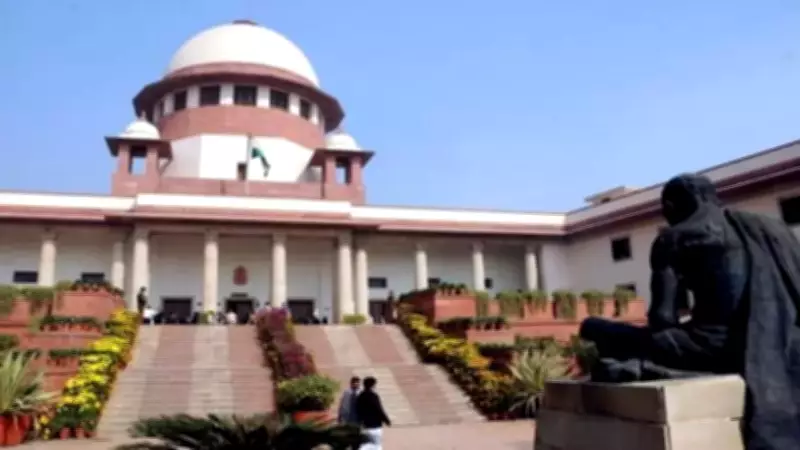
The Supreme Court of India on Tuesday firmly dismissed a plea filed by the animal rights organization People for Ethical Treatment of Animals (PETA). The plea had challenged a Karnataka High Court order that permitted traditional bull races, including Kambala, to be conducted across the entire state of Karnataka, rather than being confined solely to the coastal districts of Dakshina Kannada and Udupi.
Court Questions Regional Restrictions on Cultural Events
A bench comprising Justices Vikram Nath and Sandeep Mehta refused to interfere with the High Court's decision. During the proceedings, the bench raised significant questions regarding the rationale behind limiting these cultural events to specific geographic areas.
"They want to showcase the culture in different parts of the state; what is wrong? Let people in other parts of the state be also familiarised with the culture. Why restrict it to a particular area only?" the bench remarked, emphasizing the importance of cultural dissemination.

PETA's Arguments and Court's Rejection
PETA, as the appellant, sought to challenge the High Court order, contending that other regions within Karnataka lack traditional or cultural associations with bull racing sports like Kambala. The organization argued that events organized outside the coastal districts were primarily driven by commercial motives rather than cultural preservation.
However, the Supreme Court bench rejected these arguments, upholding the High Court's stance that such cultural practices should not be geographically restricted. This decision reinforces the legal recognition of bull races as part of Karnataka's cultural heritage, allowing for their celebration and promotion across the state.
Implications for Cultural Preservation and Animal Rights
The ruling highlights an ongoing tension between cultural traditions and animal welfare concerns. While PETA advocates for ethical treatment of animals involved in such events, the court's decision prioritizes the preservation and spread of regional cultural practices.
This case underscores the judiciary's role in balancing competing interests, with the Supreme Court affirming that cultural events like bull races can serve educational and unifying purposes beyond their traditional locales. The dismissal sets a precedent for similar disputes involving regional cultural restrictions elsewhere in India.