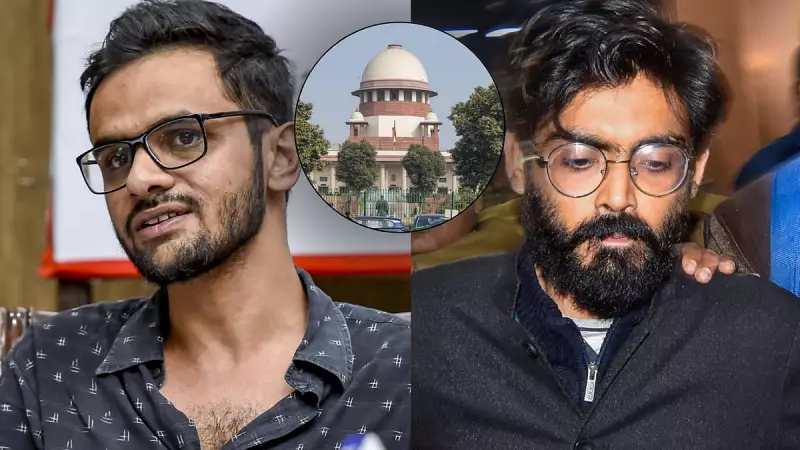
The Supreme Court of India has delivered a significant ruling, denying bail to activists Umar Khalid and Sharjeel Imam. This decision, dated 07 January 2026, has ignited a fierce debate about the state of civil liberties and the judicial system's role in safeguarding dissent.
The Core of the Judicial Decision
In a move that has sent shockwaves through civil society, the apex court refused to grant bail to the two individuals. Legal experts and rights activists view this not as an isolated legal proceeding but as a pivotal moment reflecting the judiciary's stance. The denial is seen by many as a retreat from the courts' traditional role as a bulwark protecting fundamental rights and freedom of expression.
The case revolves around charges linked to the activists' alleged roles in protests. The court's decision to keep them in custody, despite prolonged legal proceedings, underscores the severe legal challenges faced by those accused under stringent laws. The ruling, authored by Suhit K Sen and last updated on the stated date, has become a focal point for discussions on democracy and liberty in the contemporary Indian context.

Broader Implications for Democratic Freedoms
This bail denial is being interpreted by a section of commentators and legal scholars as a substantial blow to democratic norms. The primary concern is that it may signal a narrowing space for dissent and oppositional voices within the legal framework. When the highest court of the land denies bail in such high-profile cases, it sets a precedent that can influence lower courts and shape the legal environment for years to come.
The implications extend beyond the individuals involved. It raises critical questions about the balance between state security and individual freedoms. Critics argue that the judiciary's retreat from actively protecting dissent could embolden executive overreach and dilute constitutional safeguards designed to protect citizens from arbitrary state action.
A Defining Moment for Civil Liberties
The aftermath of this verdict places India at a crossroads concerning its commitment to liberal democratic values. The names Umar Khalid and Sharjeel Imam have become symbols in a larger battle over the soul of the nation's democracy. Their continued incarceration without bail is perceived not just as a legal outcome, but as a political statement with far-reaching consequences.
This development forces a national introspection. It compels citizens, legal bodies, and policymakers to examine the health of India's democratic institutions. The essential debate now is whether the protection of liberties and the right to dissent can withstand the pressures of the current socio-political climate, or if they are being systematically eroded under the guise of law and order.