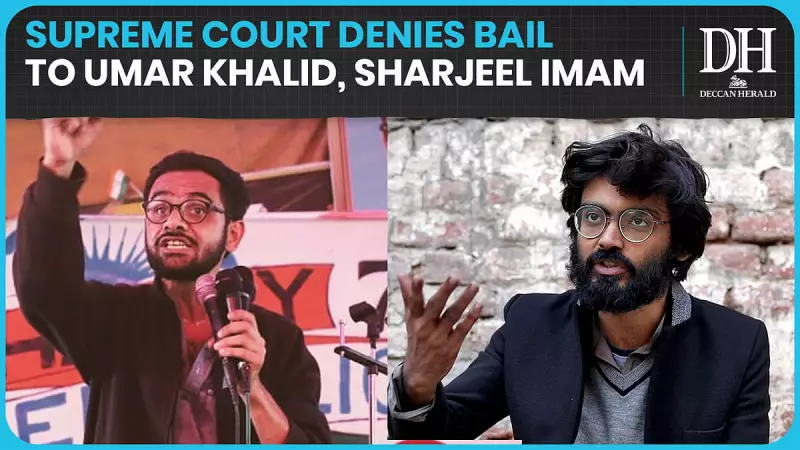
In a significant development, the Supreme Court of India on Monday declined to grant bail to activists Umar Khalid and Sharjeel Imam. The two are accused in the high-profile conspiracy case related to the 2020 Delhi riots. The apex court stated that a prima facie case exists against them under the stringent Unlawful Activities (Prevention) Act (UAPA).
The Court's Decision and Legal Grounds
The bench, while delivering its verdict, emphasized that the material presented before it indicated a prima facie case. This finding was central to the decision to deny relief to the accused. The court's refusal underscores the serious nature of the charges framed under the UAPA, a law often invoked in cases alleging threats to national sovereignty and integrity. The ruling means the activists will remain in judicial custody as their trial proceeds.
Family's Reaction and Case Background
Following the verdict, Umar Khalid's father was approached for his comments. He responded with a terse, "I have nothing to say," reflecting the family's stance amidst the prolonged legal battle. The case stems from allegations of a larger conspiracy behind the communal violence that engulfed parts of northeast Delhi in February 2020. The prosecution claims the accused were involved in planning and orchestrating the riots, which resulted in widespread loss of life and property.
Implications and Next Steps
This Supreme Court order is a major setback for the defence and sets a precedent for how courts may view bail petitions in UAPA cases where a prima facie case is established. The legal journey for Khalid and Imam is set to continue, with the focus now shifting back to the trial court proceedings. The denial of bail at this level highlights the challenges in securing release when charges under anti-terror laws are involved. The outcome will be closely watched by legal experts, human rights organizations, and political observers across the nation.
The date of the ruling, 05 January 2026, marks another chapter in this long-drawn legal process that began in the aftermath of the national capital's worst communal violence in decades.