Supreme Court Collegium Proposes Justice Sushrut Dharmadhikari as Madras High Court Chief Justice
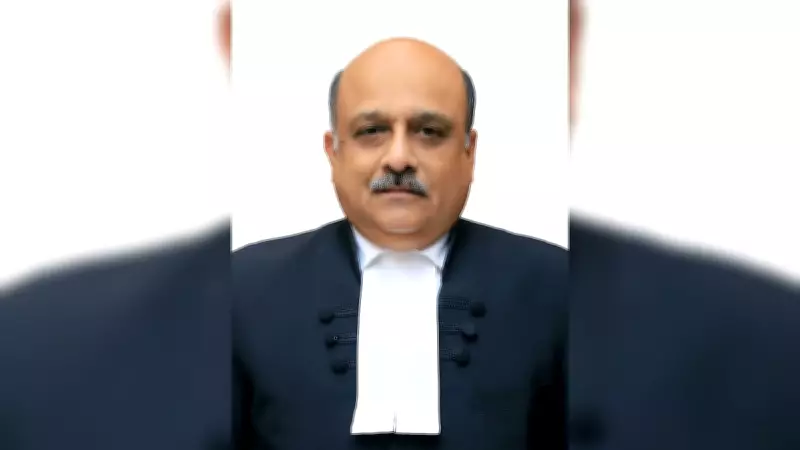
In a significant judicial development, the Supreme Court Collegium has formally recommended Justice Sushrut Dharmadhikari for appointment as the Chief Justice of the Madras High Court. This recommendation comes as the current Chief Justice, Justice Manindra Mohan Srivastava, is scheduled to retire on March 5, 2026, marking the end of his tenure at one of India's premier high courts.
Transition in Leadership at Madras High Court
The proposed appointment aims to ensure a smooth transition in the leadership of the Madras High Court, which handles a substantial caseload and plays a crucial role in the southern region's legal landscape. Justice Dharmadhikari, currently serving at the Kerala High Court, brings extensive judicial experience to this prestigious position. His recommendation by the Collegium underscores a careful selection process based on merit, seniority, and the need for continuity in judicial administration.
Justice Manindra Mohan Srivastava's retirement on March 5 will conclude his service as Chief Justice, during which he has presided over numerous landmark cases and contributed to the court's functioning. The timing of the Collegium's recommendation allows for adequate preparation for the handover, minimizing any potential disruptions in court operations.
Background and Implications of the Recommendation
The Supreme Court Collegium, comprising senior judges responsible for judicial appointments, made this recommendation after thorough deliberations. Justice Sushrut Dharmadhikari's career trajectory, including his tenure at the Kerala High Court, has been marked by a reputation for integrity and legal acumen. His elevation to Chief Justice of the Madras High Court is expected to bolster the court's efficiency and uphold the principles of justice in Tamil Nadu and Puducherry.
This move aligns with ongoing efforts to strengthen India's judiciary by appointing capable leaders to key positions. The Madras High Court, established in 1862, is one of the oldest high courts in the country and requires steady leadership to manage its diverse jurisdiction and backlog of cases.
Next Steps in the Appointment Process
Following the Collegium's recommendation, the proposal will be forwarded to the central government for approval. Typically, such recommendations are accepted, leading to the formal appointment of the new Chief Justice. Once appointed, Justice Dharmadhikari will assume office shortly after Justice Srivastava's retirement, ensuring no vacancy in this critical role.
- The recommendation highlights the Collegium's role in maintaining judicial independence.
- It reflects a focus on experienced judges for top judicial posts.
- The transition is set to occur seamlessly, with minimal impact on court proceedings.
This development is closely watched by legal experts and stakeholders, as it sets a precedent for future appointments in India's high courts. The emphasis on merit-based selections continues to be a cornerstone of the country's judicial system.