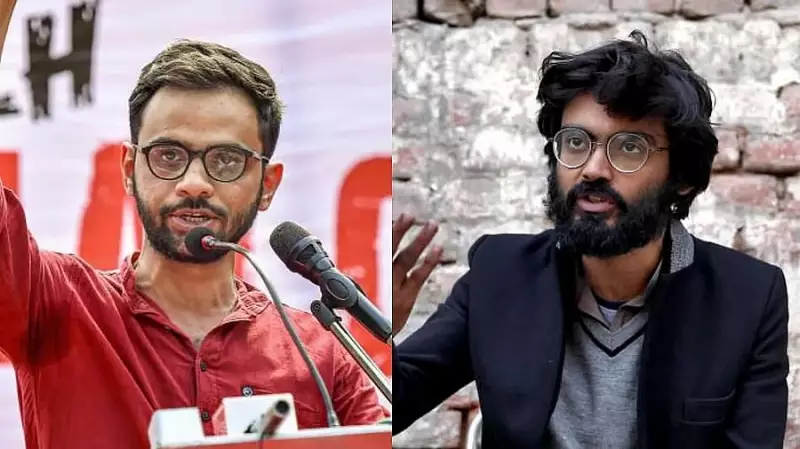
The Supreme Court of India, while hearing matters related to the 2020 Delhi riots, has observed that there is material on record suggesting the involvement of activists Umar Khalid and Sharjeel Imam in the planning of the violence. This significant observation forms a crucial part of the ongoing legal proceedings in one of the most high-profile cases stemming from the communal clashes that shook the national capital.
The Court's Observation and Arrest Timeline
The apex court's remarks bring the focus back to the detailed chronology of arrests and charges in the conspiracy case. According to the facts presented, Sharjeel Imam was first taken into custody on January 28, 2020. His initial arrest was connected to speeches he delivered during the widespread protests against the Citizenship Amendment Act (CAA).
He was subsequently arrested again in August 2020, this time as part of the larger investigation into the Delhi riots conspiracy case. The prosecution alleges that the violence was not spontaneous but a pre-meditated conspiracy.
Activist and former JNU student Umar Khalid was arrested later, on September 13, 2020, under the stringent Unlawful Activities (Prevention) Act (UAPA). He has been in judicial custody since then, with the prosecution alleging his central role in the conspiracy.
Context of the Anti-CAA Protests and Ensuing Violence
The case is deeply intertwined with the environment of the anti-CAA protests that swept across India in late 2019 and early 2020. Northeast Delhi witnessed devastating communal riots between February 23 and 26, 2020, resulting in the deaths of over 50 people and injuries to hundreds more. The police investigation has framed these events as a larger conspiracy to destabilize law and order.
The legal arguments have consistently revolved around the alleged links between inflammatory speeches made during the protests and the outbreak of violence. The court's latest observation about the material concerning Khalid and Imam directly pertains to this alleged link between speech, planning, and action.
Legal Implications and Next Steps
The Supreme Court's noting of the material is a pivotal development, though it does not constitute a final verdict on guilt or innocence. It acknowledges the evidentiary basis presented by the investigating agencies that forms the groundwork for the ongoing trial.
The accused individuals have consistently denied the charges, claiming they are being targeted for their dissenting political views. Their bail pleas have been rejected multiple times by lower courts, and the matter has now reached the highest court. The observation underscores the complex legal battle ahead, where the defense will challenge the very nature and validity of this material evidence.
As the proceedings continue, this case remains a critical flashpoint in India's contemporary legal and political discourse, testing the boundaries of protest, speech, and criminal conspiracy.