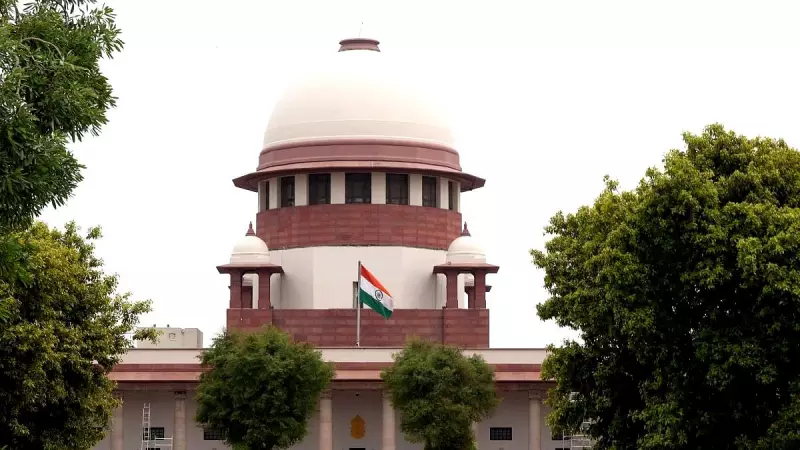
The Supreme Court of India has continued its prohibition, preventing a trial court from formally acknowledging a chargesheet filed against a professor affiliated with Ashoka University. This significant legal development occurred because the necessary governmental approval for prosecution remains pending.
Bench Directs Continued Stay on Proceedings
A two-judge bench, comprising Chief Justice Surya Kant and Justice Joymalya Bagchi, issued the directive to extend the stay. The order was passed during a hearing where the court was apprised of the current status of the case. The bench emphasized that without the required sanction, the judicial process cannot move forward.
Key Facts and Government's Position
Additional Solicitor General SV Raju, representing the authorities, informed the apex court that while the chargesheet was filed in August 2025, the Haryana government has not yet granted sanction for prosecution. This lack of sanction is a critical procedural step in many cases involving public servants or certain categories of offences, and its absence effectively stalls the legal process at the trial court level.
The Supreme Court's intervention ensures that the lower court cannot take any further action on the chargesheet until this prerequisite is fulfilled. The original stay was put in place earlier, and the latest order extends that protection for the professor.
Implications and Next Steps
This ruling underscores the importance of procedural compliance in the Indian legal system. The case against the academician remains in a state of legal limbo until the Haryana state authorities decide on granting sanction. The Supreme Court's order safeguards the professor's rights by preventing any premature judicial action based on a chargesheet that currently lacks the foundational approval for prosecution.
The matter is expected to be listed again for further hearing, where the status of the sanction will likely be reviewed. The legal community and observers are watching closely, as the outcome could set a precedent regarding the interplay between prosecutorial actions and mandatory governmental sanctions.