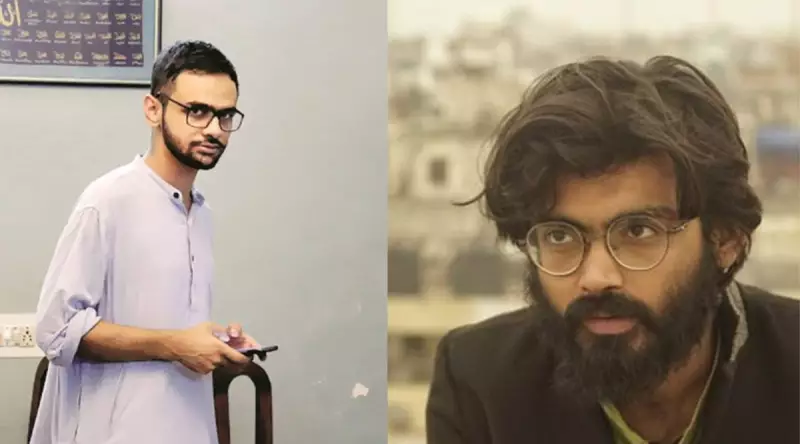
The Supreme Court of India's recent decision to deny bail to activists Umar Khalid and Sharjeel Imam, while granting relief to other co-accused in the 2020 Delhi riots cases, has ignited a crucial debate about the state of personal liberty and judicial responsibility in the country. This ruling, delivered on January 5, 2026, comes after the two individuals have spent over five years in prison awaiting trial, a period that itself underscores a systemic failure.
A Bail Hearing or a Preliminary Trial?
The Court's central rationale for denying bail rested on the "stage of proceedings" not justifying their release. Legal experts argue this reasoning sets a dangerous precedent. When trials are inordinately delayed, as they are here, using the ongoing nature of proceedings as grounds for continued incarceration effectively allows the state to benefit from its own failure to ensure a speedy trial. It transforms prolonged detention into a normalized state, eroding the constitutional safeguard against indefinite imprisonment without conviction.
Furthermore, the trend of courts conducting detailed evidentiary analysis at the bail stage is deeply troubling. By weighing untested evidence from chargesheets and witness statements that have not faced cross-examination, the fundamental distinction between bail hearings and a full trial collapses. This practice severely undermines the presumption of innocence, reducing it to a mere technicality rather than a bedrock principle of justice. When liberty hinges on allegations alone, incarceration risks becoming a default punishment rather than an exceptional measure.

The Stark Reality of India's Undertrial Crisis
The cases of Khalid and Imam are not isolated incidents but symptoms of a vast structural malaise. The Prison Statistics India 2022 report paints a grim picture: over 75% of India's prison population, more than 4.3 lakh people, are undertrial inmates. Many have languished behind bars for years, often for offences where the maximum possible sentence is shorter than the time they have already served awaiting trial.
Against this backdrop, the Supreme Court's emphasis on the "stage of proceedings" carries unsettling implications. It suggests that the longer the trial is delayed by systemic bottlenecks, the weaker an individual's claim to liberty becomes. This logic perversely shifts the cost of the justice system's failure from the state onto the detained individual, a shift that constitutional courts are specifically designed to prevent.
Political Context and the Judiciary's Constitutional Duty
The nature of the accusations against Khalid and Imam, which revolve around allegations of conspiracy and ideological association stemming from political speech and activity, adds another critical dimension. When incarceration follows political activity and the trial remains perpetually deferred, the line between lawful prosecution and punitive detention becomes dangerously thin. In such circumstances, the judiciary's role as a constitutional counter-majoritarian institution is paramount.
Judicial vigilance in protecting personal liberty is not optional, especially when delayed trials hand the executive branch an undue advantage and the political undertones of incarceration are evident. Granting bail does not equate to exoneration; it simply reaffirms the core principle that the criminal process is not meant to punish individuals before their guilt is proven in a fair and concluded trial. Denying bail after more than five years of incarceration without a trial verdict risks doing precisely that.
While the grant of bail to other accused in the same set of cases is a welcome recognition of the harms of prolonged detention, partial relief cannot substitute for principled consistency. The denial of bail to Umar Khalid and Sharjeel Imam should serve as a catalyst for serious institutional introspection. The courts must steadfastly uphold their constitutional obligation as the primary guardians of personal liberty, ensuring that justice is not merely delayed but also delivered in spirit and form.