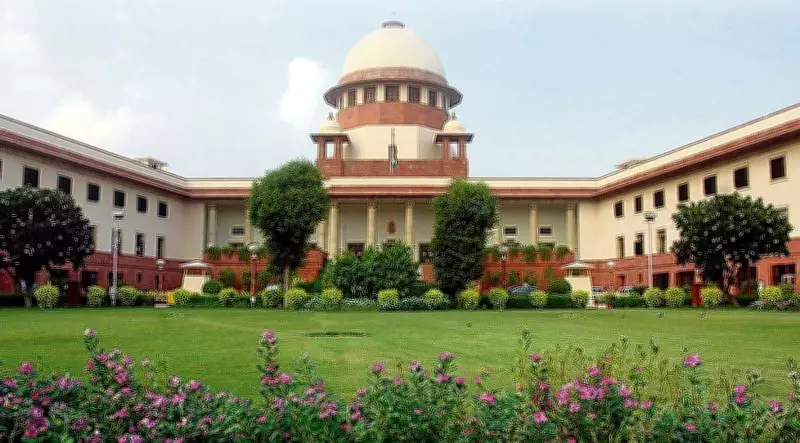
Supreme Court Orders Probe into Nationwide Network for Missing Children
The Supreme Court of India has issued a directive to the central government, demanding an investigation to ascertain if a coordinated nationwide network is behind the distressing cases of missing children reported across the country. This move underscores the judiciary's deep concern over the safety and security of minors, highlighting a critical issue that has long plagued Indian society.
Judicial Intervention in Child Safety
In a significant development, the apex court has taken a proactive stance by asking the Centre to delve into the possibility of an organized network orchestrating the disappearances of children. The court emphasized that such incidents are not isolated but may be linked to a larger, more sinister operation. This directive comes amid rising public anxiety and calls for stronger measures to protect vulnerable children from exploitation and trafficking.
The Supreme Court's order mandates the government to conduct a thorough inquiry, leveraging all available resources and intelligence agencies. The bench, led by Chief Justice of India, expressed grave concern over the increasing number of missing children cases, which often go unresolved or underreported. The court stressed that this is a matter of national importance requiring immediate and coordinated action.

Scope of the Investigation
The investigation will focus on identifying patterns and connections between missing children reports from different states and regions. Key aspects to be examined include:
- Potential involvement of criminal syndicates or trafficking rings operating across state borders.
- Analysis of data from the National Crime Records Bureau (NCRB) and other law enforcement agencies to trace commonalities.
- Coordination with state governments to ensure a unified approach in tracking and rescuing missing children.
The Centre has been given a specific timeframe to submit its findings and propose actionable steps to curb this menace. This includes enhancing surveillance mechanisms, improving reporting systems, and strengthening legal frameworks to prosecute offenders involved in such networks.
Broader Implications and Public Response
This judicial intervention has sparked widespread discussion among child rights activists, policymakers, and the general public. Many have hailed the Supreme Court's move as a crucial step towards addressing a systemic failure in child protection. However, concerns remain about the implementation of such directives and the need for sustained efforts to prevent future incidents.
Experts point out that a nationwide network, if confirmed, could indicate a sophisticated operation exploiting gaps in law enforcement and social welfare systems. The investigation's outcomes may lead to policy reforms, such as better integration of technology in tracking missing persons and more robust support for families affected by such tragedies.
In conclusion, the Supreme Court's directive to the Centre marks a pivotal moment in India's fight against child disappearances. By probing the existence of a nationwide network, the authorities aim to dismantle any organized crime elements and ensure a safer environment for children. The nation now awaits the government's report, hoping it will pave the way for effective solutions to this pressing issue.