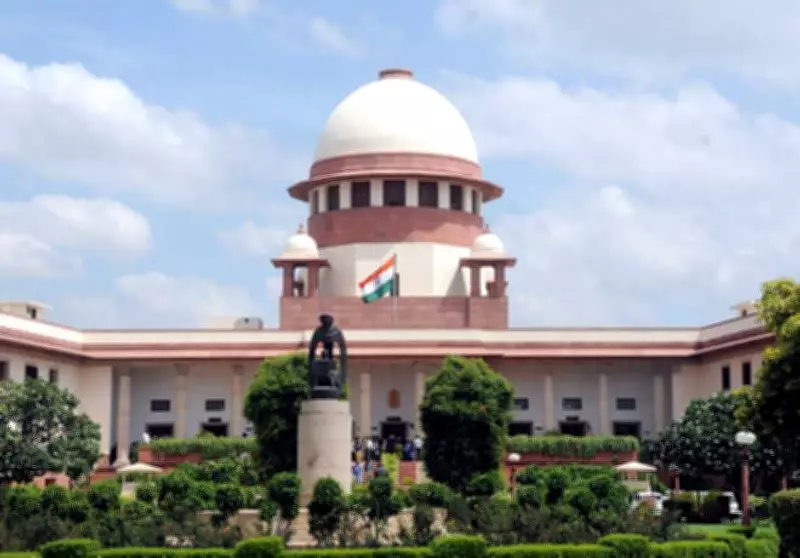
Supreme Court Clears Path for Himachal Pradesh Backward Classes Commission Move to Dharamsala
In a significant legal development, the Supreme Court of India has set aside a stay order that was previously blocking the relocation of the Himachal Pradesh Commission for Backward Classes from its current base in Shimla to Dharamsala. This decision marks a pivotal moment in the state's administrative restructuring efforts, aimed at promoting regional balance and improving governance efficiency.
Background and Legal Proceedings
The controversy began when the Himachal Pradesh government announced plans to shift the Commission for Backward Classes from Shimla, the state capital, to Dharamsala, which is often referred to as the state's second capital. This move was part of a broader strategy to decentralize administrative functions and ensure equitable development across different regions of Himachal Pradesh. However, the decision faced legal challenges, leading to a stay order that temporarily halted the relocation process.
The Supreme Court, upon reviewing the case, found merit in the state government's arguments for decentralization. The court emphasized that such administrative shifts can enhance accessibility and responsiveness for backward class communities in remote areas. By lifting the stay, the Supreme Court has effectively greenlit the relocation, allowing the state to proceed with its plans without further legal impediments.
Implications for Backward Classes and Governance
This ruling is expected to have far-reaching implications for the welfare of backward classes in Himachal Pradesh. Key points include:
- Improved Access: Moving the commission to Dharamsala could make it more accessible to residents in the Kangra district and surrounding regions, reducing travel burdens for those seeking assistance or filing grievances.
- Administrative Efficiency: Decentralizing such bodies is often seen as a step towards more efficient governance, as it can lead to faster decision-making and better resource allocation.
- Regional Development: The shift aligns with efforts to boost economic and social development in Dharamsala, potentially creating job opportunities and fostering local infrastructure growth.
Experts suggest that this move could serve as a model for other states looking to balance administrative functions across multiple locations. It underscores the importance of adapting governance structures to meet the evolving needs of diverse populations, particularly marginalized groups.
Future Steps and Considerations
With the Supreme Court's decision, the Himachal Pradesh government is now poised to implement the relocation swiftly. This will involve logistical arrangements, such as setting up new office facilities in Dharamsala and ensuring a smooth transition for commission staff and operations. The state authorities have assured that all necessary measures will be taken to minimize disruptions and maintain the commission's effectiveness during the move.
Stakeholders, including backward class communities and civil society organizations, have welcomed the court's ruling, viewing it as a positive step towards more inclusive governance. However, some concerns remain about the potential challenges of relocation, such as infrastructure readiness and staff adjustments. The government has committed to addressing these issues proactively, with plans for regular reviews and community consultations.
In conclusion, the Supreme Court's action to set aside the stay on shifting the Himachal Pradesh Commission for Backward Classes from Shimla to Dharamsala represents a landmark decision in administrative law and social justice. It highlights the judiciary's role in facilitating governance reforms that aim to benefit vulnerable sections of society, while also promoting regional equity in Himachal Pradesh.