Supreme Court Mandates April 7 Deadline for Voter List Objections
The Supreme Court of India announced on Wednesday that Chief Justice Sujoy Paul of the Calcutta High Court has committed to resolving all approximately 60 lakh pending objections concerning the deletion of names from voters' lists by April 7, 2025. This directive follows extensive judicial proceedings aimed at ensuring electoral integrity.
Massive Adjudication Effort Underway
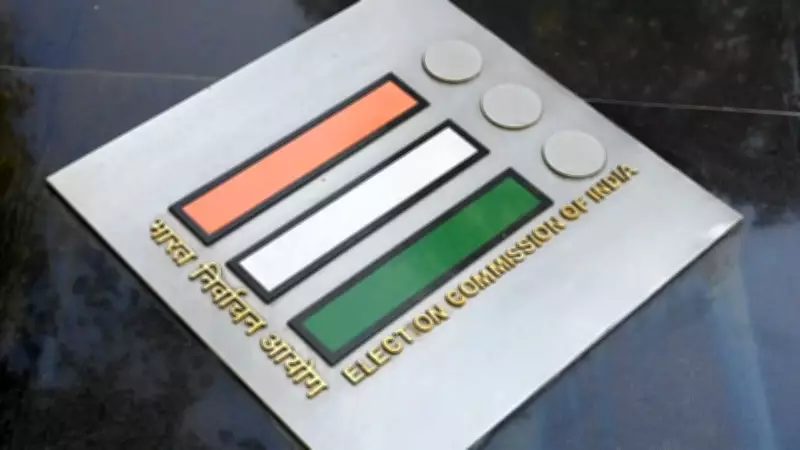
A bench comprising Chief Justice of India Surya Kant, Justice Joymalya Bagchi, and Justice Vipul M. Pancholi disclosed that judicial officers have already disposed of 47,30,000 out of the total 60,06,675 objections as of Wednesday morning. The Election Commission later updated this figure to 49,62,850 cases adjudicated by the end of the day.
The Supreme Court has scheduled a further hearing on April 6 to monitor progress toward the April 7 deadline.

Judicial Officers and Tribunals Appointed
Approximately 500 judicial officers from West Bengal, along with 200 from Odisha and Jharkhand, are actively involved in adjudicating these doubtful cases. These cases emerged following the publication of the voters' list on February 28.
The Supreme Court exercised its extraordinary powers under Article 142 to entrust these judicial officers with the task, acting as electoral registration officers. This decision came after the West Bengal government expressed concerns regarding the conduct of Election Commission officials.
To handle appeals against the decisions made by judicial officers, the Supreme Court directed the constitution of tribunals. The Election Commission has notified 19 such tribunals, which will be composed of former High Court Chief Justices and judges.
Functioning of the Tribunals
The bench emphasized that the tribunals will have the discretion to review full records, including the reasons provided by judicial officers during adjudication, before deciding on appeals. They are also mandated to inform the parties involved of these reasons.
The tribunals are authorized to develop their own procedures in accordance with the principles of natural justice, ensuring that all parties receive a fair opportunity to be heard. Additionally, individuals intending to file appeals will be informed of the reasons for the rejection of their claims by the judicial officers.
Controversies and Clarifications
During the proceedings, Election Commission counsel Dama Seshadri Naidu informed the bench that the tribunals would commence operations from Thursday, with former judges receiving orientation on Wednesday. However, West Bengal CEO Manoj Agarwal later raised concerns in Kolkata, questioning the immediate start due to a lack of basic infrastructure such as tables and chairs.
Sources revealed that the former judges heading the 19 tribunals raised several issues during their initial interaction with the Election Commission. A lack of clarity during a virtual meeting even prompted three ex-judges to consider stepping down, as they were unconvinced about the operational procedures of the tribunals.
Political Interference and Judicial Independence
Senior advocate Kalyan Banerjee, representing the West Bengal government, objected to the Election Commission providing training to the former judges, arguing that tribunals, as quasi-judicial bodies, must act independently. Chief Justice Kant countered, stating that the orientation was merely for handling computers and soft copies of documents, and emphasized the independence of the former Chief Justices and judges.
Justice Bagchi added, "They have vast experience in deciding matters. You must not be worried about EC officials influencing judges."
Senior advocate Kapil Sibal, also appearing for the West Bengal government, sought the liberty to approach the Calcutta High Court Chief Justice with grievances. The bench affirmed this right but cautioned against political delegations, advising that only advocates like Mr. Banerjee or the advocate general should meet the Chief Justice to avoid disturbing judicial officers.

Justice Bagchi highlighted concerns about political unions making representations to judicial officers, which could impede their duties. "Do not play a double role — approach SC and at the same time continue politics with judicial officers who have been called upon to perform an exceptional duty," he stated.
Sibal assured the court that any representations would be devoid of political color, reinforcing the commitment to a fair and impartial adjudication process.