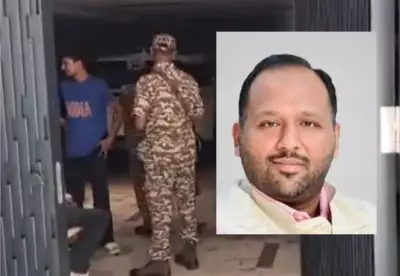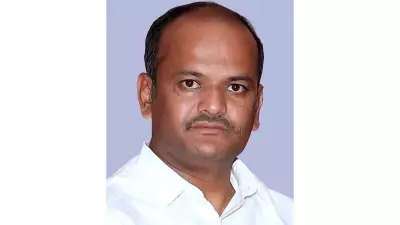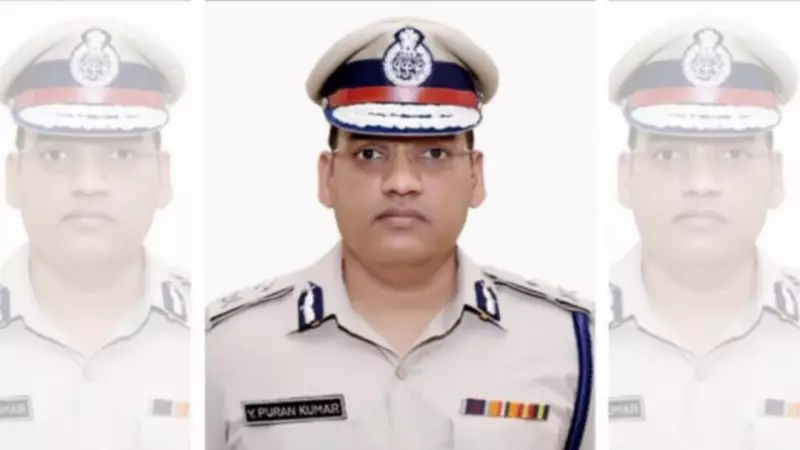
In a significant legal development, a Rohtak court has granted default bail to an assistant sub-inspector (ASI) after the police investigation team failed to submit a proper chargesheet within the mandatory 90-day timeframe. The accused, exemptee ASI Sushil Kumar, who previously served as a gunman to the late ADGP Y. Puran Kumar, was released on Saturday.
The Allegations and Arrest
The case stems from a complaint filed by liquor contractor Praveen Bansal in October. Bansal alleged that ASI Sushil Kumar had demanded a monthly payment of ₹2.5 lakh in the name of a senior police officer. Following this complaint, an FIR was registered at the Urban Estate police station. The case was filed under relevant sections of the new Bharatiya Nyaya Sanhita and Section 7 of the Prevention of Corruption Act.
After his arrest, Kumar was sent to judicial custody. The Rohtak police constituted a Special Investigation Team (SIT) to probe the serious allegations of corruption and extortion.

Legal Hinges on a Missing Chargesheet
The turning point in the case came when Kumar's legal counsel argued before the court that their client had been in custody for the full statutory period of 90 days. Despite this, the SIT had not filed a complete and legally sustainable chargesheet, or challan, against him.
The investigation hit a procedural snag when a 17-page draft challan was uploaded to the CCTNS portal but was subsequently withdrawn. The public prosecutor reportedly pointed out several anomalies in the document, leading to its retraction. In its own status report, the investigating agency admitted that certain crucial aspects of the probe were still pending.
Court's Observation and Grant of Bail
Taking strict note of these lapses, the Rohtak court observed that the accused could not be detained indefinitely while the investigation remained incomplete. With no valid chargesheet presented on record within the prescribed 90-day limit, the court had no option but to grant default bail to Sushil Kumar.
This decision has cast a spotlight on the handling of the case by the Rohtak police. It raises questions about the preparedness and diligence of the SIT in building a watertight case within the legal deadlines. Despite the setback, the SIT has maintained that it will continue its investigation and file a revised chargesheet in due course.
The outcome underscores the critical importance of procedural adherence in the judicial process, ensuring that an individual's liberty is not curtailed without timely and proper legal documentation from the prosecution.