Rajasthan High Court Mandates Sweeping Encroachment Removal Along State Highways
In a significant move to bolster road safety and regulatory compliance, the National Highways Authority of India (NHAI) is set to collaborate with district administrations and the Public Works Department (PWD) to eliminate encroachments along state highways across Rajasthan, starting next week. This action follows a stringent order issued by the Rajasthan High Court, aimed at clearing all constructions within a 75-meter buffer zone on either side of highway medians.
Court Directive and Compliance Timeline
A division bench of the Rajasthan High Court, on January 22, directed the state government to remove all unauthorized structures within the specified 75-meter distance from highway medians. The court has mandated that all concerned parties, including NHAI, PWD, and local authorities, must adhere to this order by March 10. This directive emerged from a petition focused on reducing accidents on national highways NH 125 and NH 125A passing through Jodhpur, but its scope has now been expanded to encompass all highways statewide.
Identification and Eviction Process
According to a PWD official, the authorities have already identified the encroachments, and district collectorates are poised to begin issuing eviction notices to encroachers as early as next week. The official emphasized that, as per national regulations, all highways in the country must maintain a clear zone of 75 meters on both sides of the median to prevent obstructions and enhance safety. During court proceedings, NHAI submitted a list detailing approximately 1,000 encroachments on national highways traversing Rajasthan, prompting the court to instruct PWD to similarly identify and catalog encroachments on state highways.
Legal Implications and Impact
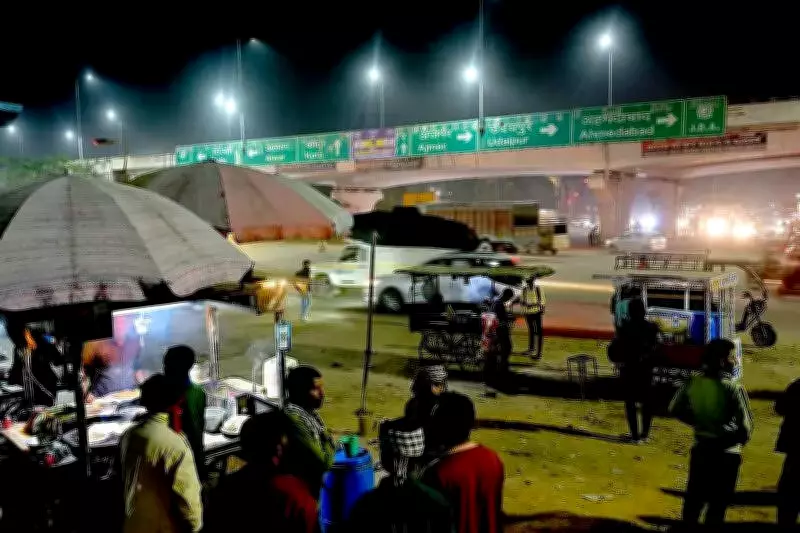
Following the High Court's order, any commercial or residential construction within the 75-meter limit from the median of national highways will be deemed legally invalid. This includes a wide range of structures such as hotels, dhabas, shops, service centers, and residential buildings. Advocates Rajesh Joshi and Rishi Soni, representing the petitioners, highlighted that the court's directive, initially aimed at specific highways in Jodhpur, now applies universally across Rajasthan, potentially affecting numerous properties and businesses along these routes.
Background and Broader Context
The petition that triggered this judicial intervention was primarily focused on mitigating accident risks on NH 125 and NH 125A in Jodhpur. However, the court's ruling has broadened its applicability, underscoring a statewide commitment to highway safety and regulatory enforcement. This move aligns with ongoing efforts to streamline infrastructure and reduce hazards on busy roadways, reflecting a proactive approach to public welfare and legal adherence in Rajasthan's transport sector.