
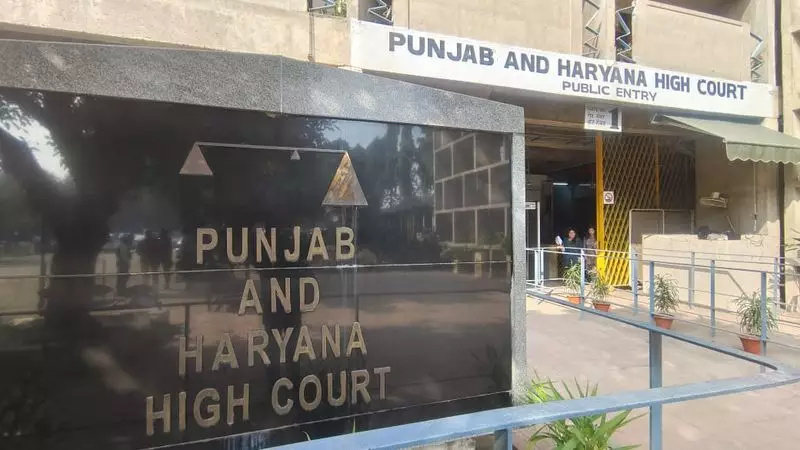
The Punjab and Haryana High Court has delivered a sharp rebuke to the Punjab government, accusing it of unfairly burdening its retired employees with the cost of a financial crisis it created itself. The court has put an immediate stop to the recovery of alleged excess payments from the pensions of thousands of retirees.
Court Stays Recovery, Demands Government Explanation
Justice Sanjeev Prakash Sharma, presiding over the case, issued a significant interim order on May 23, 2024. The order stays the recovery of any amounts from the pensions of the petitioners until the next hearing. The court has directed the State of Punjab to file a detailed affidavit explaining its position. The next hearing for this critical matter is scheduled for July 17, 2024.
The legal challenge was mounted by the Punjab State Pensioners Confederation and several individual retirees. They contested the state government's move to claw back substantial sums from their monthly pensions. The government's action was based on a claim that these retirees had received excess payments over several years, dating back to their service period.
A Crisis of the State's Own Making
The heart of the court's criticism lies in the origin of the financial mess. Justice Sharma observed that the state's financial crisis was "self-made" due to its own policies and administrative decisions. The court found it deeply unjust that the government, after realizing its fiscal errors, was now attempting to rectify them by deducting money from the fixed incomes of those who had already retired.
"You (the state) created a financial crisis for yourself and now you want retirees to pay for it?" the judge remarked during the proceedings. This sentiment captures the core of the petitioners' grievance—that they are being penalized for administrative mistakes they did not commit.
The recovery notices had caused widespread distress among the pensioner community. For many, the pension is their sole source of sustenance, and unexpected deductions create severe hardship. The court's stay order provides immediate, albeit temporary, relief to these senior citizens.
Broader Implications and Awaiting Government's Response
This case highlights a critical issue of governance and accountability. The court's stern remarks question the ethics of a government balancing its books on the backs of its most vulnerable former employees. The order forces the state to legally justify its recovery policy and explain how it plans to address its fiscal challenges without unfairly targeting retirees.
The state government's affidavit, due before the July hearing, will be closely watched. It must detail the legal and policy basis for the recoveries and outline its stance on the court's pointed observations regarding the nature of the financial crisis.
For now, the pensioners have secured a crucial legal shield. The High Court's intervention underscores the principle that pension is a deferred wage and a right, not a bounty that can be arbitrarily reduced. The final outcome in July will have significant implications for thousands of retired government employees in Punjab and potentially set a precedent for how similar situations are handled.