Pune's Navale Bridge to Get Enhanced Surveillance and Speed Control Measures
In a decisive move to tackle persistent accidents and traffic jams near the Navale Bridge, authorities have announced the integration of 14 CCTV cameras into the police monitoring network within the next 15 days. This initiative follows a comprehensive safety review conducted by the National Highways Authority of India (NHAI), as confirmed by officials on Tuesday.
Real-Time Monitoring and Speed Reduction to Enhance Safety
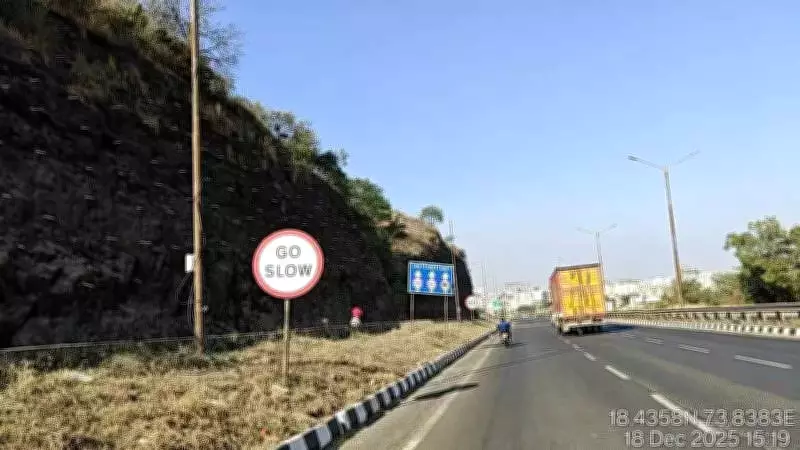
The installation of the cameras is already complete, and the integration process is currently underway to ensure constant, real-time surveillance. "We are finishing the integration to enable instant monitoring," an NHAI official stated. Alongside this digital upgrade, the speed limit on this critical stretch has been officially reduced from 60 kmph to 40 kmph, with new boards reflecting this change installed along the corridor.
Comprehensive Road Safety Features Implemented
Beyond surveillance, multiple engineering interventions are being rolled out under the incident response and road patrol programme. These measures were reviewed in a recent road safety meeting chaired by Pune district collector Jitendra Dudi. Key installations include:

- Median barriers and rumble strips to control vehicle flow
- Enhanced lane markings and reflective cat-eyes for better visibility
- Improved street lighting and blinkers to alert drivers
- Warning boards indicating accident-prone zones
Additionally, work has begun on installing 20mm-high rumble strips from the new Katraj tunnel to Navale Bridge, designed to slow vehicles on the steep downhill gradient. Three more variable message sign (VMS) gantries will be added to provide real-time traffic updates and safety instructions to motorists.
Response to Recent Accidents and Long-Term Solutions
This safety push comes in the wake of several severe accidents. Last month, a container truck lost control near Jambhulwadi, causing a major gridlock, while a November crash involving a speeding trailer truck resulted in eight fatalities and multiple injuries. "Overspeeding and driver error were primary causes," investigators noted, prompting officials to emphasize the urgency of these measures. "It is essential to roll these out immediately to prevent further loss of life," they asserted.
While NHAI reported a gradual decline in accident rates over the past three years due to earlier interventions like a police checkpost and speed guns, the new aims are to eliminate high-speed risks entirely. Looking ahead, long-term solutions are being explored, with IIT Delhi conducting a scientific study to recommend further preventive measures for the corridor.