Pune LPG Black Market Uncovered: Illegal Refilling Racket Endangers Public Safety
In a significant crackdown, the Chakan police arrested three individuals on April 2 for illegally refilling domestic LPG cylinders from a commercial tanker in Bhose village, Pune. This incident has starkly highlighted a deep-rooted and pervasive black market operating across Pune's industrial belt, exploiting systemic vulnerabilities in monitoring and enforcement.
Widespread Network of Illegal Operations
Investigators and industry experts emphasize that this racket is neither new nor isolated. It forms part of a loosely organized network that capitalizes on gaps in surveillance, weak law enforcement, and high demand for cheaper cooking fuel. This pattern is evident from recent busts, including similar LPG pilferage cases in Chhatrapati Sambhajinagar on April 2, where four were arrested, and across the Mumbai Metropolitan Region on April 6, with 45 stolen cylinders recovered.
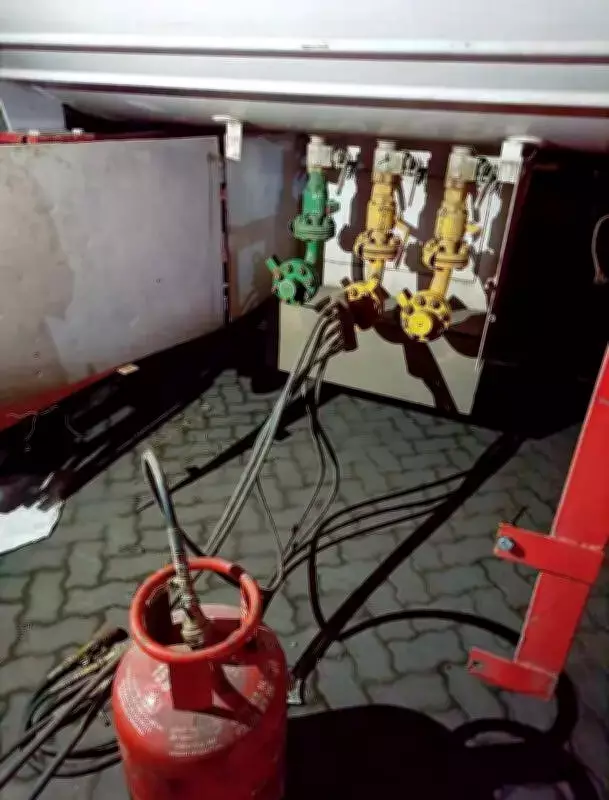
During the Chakan operation, police caught the accused red-handed, transferring liquefied petroleum gas from a tanker into smaller domestic cylinders using makeshift pipelines and valves in a secluded area. This modus operandi has been replicated in multiple locations across Chakan, Talegaon, and other industrial clusters with high tanker traffic.

How the Illegal Transfer Unfolds
According to the Pimpri Chinchwad police, the illegal process typically begins with the diversion of LPG tankers en route to authorized bottling plants or industrial clients. Drivers, often colluding with middlemen, halt at pre-decided isolated spots like warehouses, farm plots, or roadside sheds. Here, gas is siphoned off using rubber hoses, pressure regulators, and improvised connectors.
"This is a risky exercise as it is done in an unprofessional and hurried manner. Therefore, there is a high chance of a blast," warned Deputy Commissioner of Police Shivaji Pawar. Domestic cylinders, many stolen or unregistered, are then filled and sold on the black market.
Extreme Safety Hazards and Expert Warnings
Petrochemical experts have issued grave warnings about the dangers of transferring LPG outside controlled environments. LPG is a highly flammable hydrocarbon stored under pressure, and even minor leaks can lead to catastrophic explosions if exposed to sparks or heat sources.
A senior BPCL official, speaking anonymously, detailed: "Using rubber hoses, pressure regulators, and improvised connectors, LPG is transferred from high-capacity tankers into smaller domestic cylinders for these rackets. The refilling process, carried out without adherence to safety norms, takes 15 minutes to an hour."
Petrochemical safety expert Madhav Divekar added, "The entire system is makeshift and extremely hazardous. There is no grounding, no pressure monitoring, and no emergency protocol. One spark is enough."
Distribution and Insider Involvement
After refilling, cylinders are distributed through a parallel black-market supply chain, reaching roadside eateries, small factories, construction sites, and households seeking cheaper alternatives. DCP Pawar noted, "In this entire chain, we have established the role of local residents. Without local support, it cannot be done."
Investigators suspect insider involvement from employees within LPG distribution networks, including tanker contractors, logistics handlers, and gas agency personnel. Their roles may involve providing information on routes, schedules, and surveillance gaps. A Chakan police officer explained, "There are instances where tanker seals are tampered with or delivery records manipulated. Without internal knowledge, sustaining such operations would be difficult."
Industry insiders also pointed to potential collusion with weighbridge operators and maintenance staff. Despite GPS tracking and designated stops, a BPCL official admitted, "Drivers and insiders find ways to steal gas. Our vigilance teams act, but with high vehicle volumes, gaps are exploited."

A Ticking Time Bomb with Past Incidents
The risks are severe, as LPG forms explosive vapour clouds that can ignite from sparks, static electricity, or cigarettes. A chemical engineer noted, "Authorized plants have earthing systems, gas alarms, and trained personnel. Illegal setups lack all safeguards."
Past incidents across India have shown devastating consequences, including fatalities and property damage. In industrial clusters like Chakan and Talegaon, the presence of flammable materials heightens risks. A senior Chakan police officer referenced the 2024 Shelpimpalgaon tanker fire, stating, "It showed the magnitude of damage. Fortunately, there were no casualties."
Economic Incentives Driving the Black Market
At the heart of this racket is a stark price disparity. In Maharashtra, a commercial 19kg cylinder costs around Rs1,900, while domestic 14.2kg and 5kg cylinders are priced at approximately Rs915.50 and Rs565, respectively. Illegally refilled cylinders are sold below market rates, but during the current LPG shortage crisis, exacerbated by West Asia conflicts, black-market commercial cylinders have retailed for as high as Rs6,000-7,000.
Rapid industrialization and urban expansion have increased LPG consumption, straining supply chains and creating diversion opportunities. Weak monitoring and inconsistent enforcement persist despite GPS and digital sealing measures by oil marketing companies.