In a significant political development, Pakistan's ruling Pakistan Muslim League-Nawaz (PML-N) has secured a decisive victory in the recent by-elections, demonstrating its strengthening position in the country's political landscape. The party emerged triumphant in 12 out of 13 contested seats, marking a substantial political achievement amid a boycott by the main opposition party.
Landslide Victory for Ruling Coalition
The by-elections, held across multiple constituencies, saw PML-N candidates securing comfortable victories in most contests. According to the Election Commission of Pakistan, the ruling coalition demonstrated strong public support despite facing various economic and political challenges. The elections were conducted on November 23, 2024, with results declared the following day, showing a clear mandate for the incumbent government.
Notably, the Pakistan Tehreek-e-Insaf (PTI), led by imprisoned former Prime Minister Imran Khan, had announced a complete boycott of the electoral process. This decision significantly impacted the competitive nature of the contests and contributed to PML-N's overwhelming success. The boycott followed PTI's allegations of electoral manipulation and unfair treatment by the establishment.

Strategic Implications of PTI Boycott
The PTI's decision to abstain from participating in the by-elections represents a significant strategic shift in Pakistan's political dynamics. Party officials cited concerns about electoral transparency and fairness as primary reasons for their boycott. This move, however, appears to have backfired politically, allowing PML-N to consolidate its position without significant opposition in most constituencies.
Political analysts suggest that the boycott reflects the deepening political polarization in Pakistan. The absence of PTI candidates created a political vacuum that PML-N effectively filled, enabling the ruling party to demonstrate its organizational strength and popular support. The results are being interpreted as a major setback for PTI's political relevance in the current parliamentary framework.
Regional Breakdown and Key Contests
The by-election results revealed interesting regional patterns in political support. PML-N performed exceptionally well in its traditional strongholds while also making inroads in some contested regions. The single seat that escaped PML-N's sweep went to an independent candidate, though the party's overall performance exceeded most political observers' expectations.
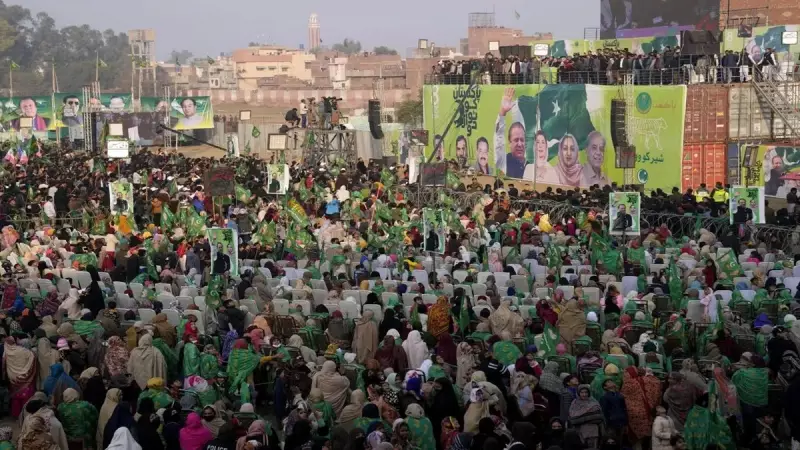
Several key contests witnessed particularly impressive margins of victory for PML-N candidates. The election campaign saw active participation from senior party leaders, including Nawaz Sharif and Shehbaz Sharif, who addressed numerous public gatherings and rallies. Their direct involvement appears to have significantly influenced voter sentiment in favor of the ruling party.
The election process itself was conducted under tight security arrangements, with authorities deploying substantial police and paramilitary forces to ensure peaceful polling. Despite some minor incidents reported from isolated locations, the overall electoral process remained largely peaceful and orderly.
Future Political Implications
This electoral outcome is expected to have far-reaching consequences for Pakistan's political future. The resounding victory provides significant momentum to PML-N as it prepares for larger electoral battles ahead. The results also strengthen the government's negotiating position in parliament and its ability to implement key policies and reforms.
For PTI, the boycott strategy and subsequent electoral setback raise serious questions about the party's future political approach. The complete absence from electoral contests may potentially alienate some of its support base and reduce its influence in parliamentary politics. However, party leaders maintain that their boycott was a principled stand against what they describe as an uneven political playing field.

The international community, particularly neighboring countries including India, is closely monitoring these political developments. Pakistan's political stability remains crucial for regional security and economic cooperation initiatives. The clear mandate for PML-N is likely to be viewed positively by international partners seeking political predictability in Islamabad.
As Pakistan navigates complex economic challenges and security concerns, this electoral outcome provides the government with enhanced political capital to address pressing national issues. The decisive victory also reinforces PML-N's position as the dominant political force in the country's current political landscape, setting the stage for interesting political developments in the coming months.