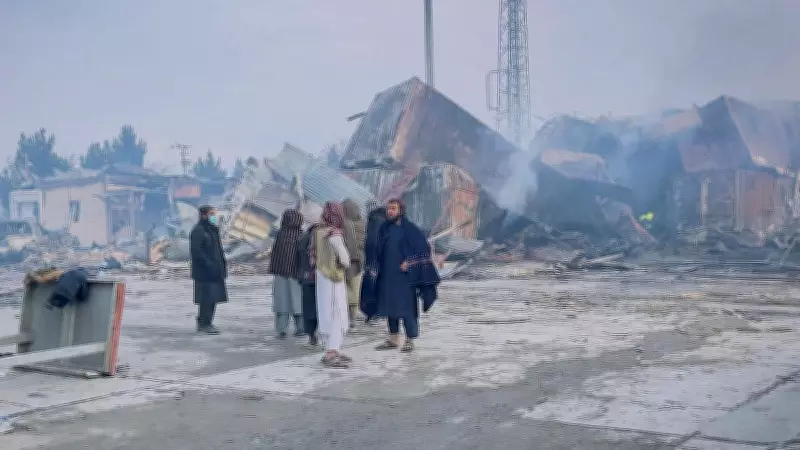
Pakistan's Dramatic Reversal: From Taliban Patron to Military Foe
In a stunning strategic pivot, Pakistan has escalated military operations against the Afghan Taliban, a group it once nurtured and supported for decades. This shift from sponsor to adversary represents one of the most significant geopolitical realignments in South Asia, with profound implications for regional stability and counter-terrorism efforts.
The Historical Context of Support
For over thirty years, Pakistan maintained deep ties with the Afghan Taliban, viewing the group as a strategic asset to counter Indian influence in Afghanistan and secure its western border. This relationship included providing safe havens, logistical support, and diplomatic backing, particularly during the Taliban's rise to power in the 1990s and their subsequent insurgency following the 2001 U.S.-led invasion.
Key Drivers Behind the Strategic Shift
Escalating Security Threats: The primary catalyst for Pakistan's change in policy is the surge in cross-border attacks by Taliban-affiliated militants, particularly the Tehrik-i-Taliban Pakistan (TTP). These groups have launched deadly assaults on Pakistani military installations and civilian targets, killing hundreds and undermining internal security.
Economic Pressures and International Isolation: Pakistan faces severe economic challenges, including a balance of payments crisis and high inflation. Continued association with the Taliban risks further isolation from Western donors and international financial institutions, jeopardizing crucial aid and investment.
Geopolitical Realignments: The withdrawal of U.S. forces from Afghanistan in 2021 altered regional dynamics. Pakistan now seeks to balance relations with China, its key ally, and mend ties with the West, necessitating a tougher stance on militant groups to avoid sanctions and enhance its global standing.
Domestic Political Imperatives: The Pakistani military and government face growing public pressure to address terrorism. Failure to act could erode their legitimacy and fuel political instability, especially with general elections looming.
Recent Military Operations and Tactics
Pakistan has intensified airstrikes and ground operations in border regions, targeting Taliban sanctuaries in Afghanistan. These actions mark a departure from past covert support to overt confrontation, signaling a hardened approach. The military has also bolstered border security with fences and surveillance technology to prevent infiltration.
Implications for Regional Stability
Strained Pakistan-Afghanistan Relations: The attacks have severely damaged diplomatic ties with the Taliban-led government in Kabul, which accuses Pakistan of violating sovereignty and undermining peace efforts. This tension could escalate into broader conflict, destabilizing the region.
Impact on Counter-Terrorism: Pakistan's shift may weaken the Taliban's operational capacity but could also fragment militant groups, leading to more unpredictable violence. It complicates international counter-terrorism coordination, particularly with the U.S. and NATO.
Humanitarian Consequences: Military operations have displaced civilians on both sides of the border, exacerbating humanitarian crises in a region already grappling with poverty and food insecurity.
Future Outlook and Challenges
Pakistan's new policy faces significant hurdles. The Taliban remains a resilient force with deep roots in Afghan society, and sustained military engagement could drain Pakistan's resources. Moreover, balancing relations with China, which has economic interests in Afghanistan, and avoiding a full-blown conflict will require delicate diplomacy.
In conclusion, Pakistan's attack on the Afghan Taliban underscores a profound strategic recalculation driven by security, economic, and geopolitical necessities. While it aims to safeguard national interests, this shift risks escalating regional tensions and highlights the complex legacy of past alliances in shaping contemporary conflicts.