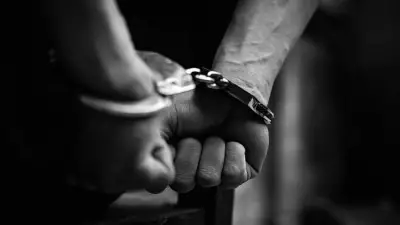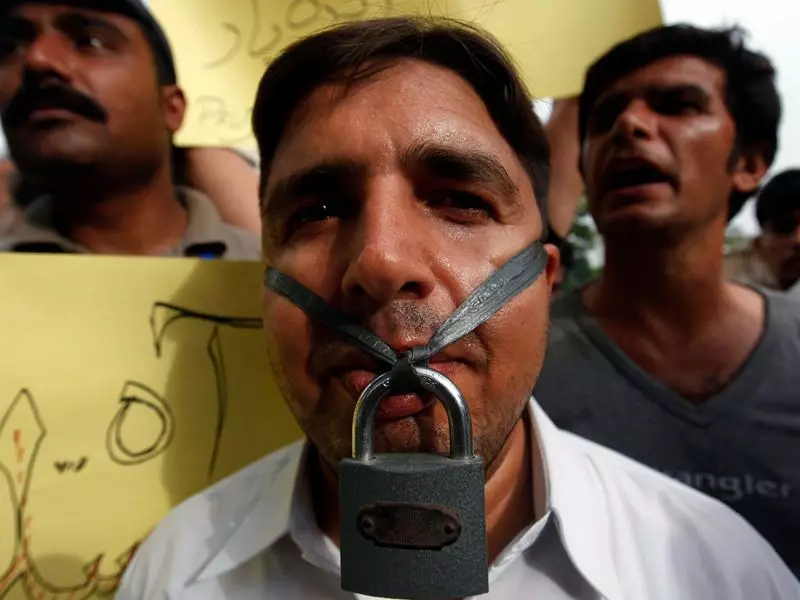
A damning new report has painted a grim picture of the state of press freedom in Pakistan, declaring it is in a state of "freefall." The country's media landscape is undergoing an unprecedented and systematic crackdown, silencing critical voices and creating an atmosphere of fear and self-censorship among journalists.
The Mechanisms of Control and Censorship
The crackdown is not a single policy but a multi-pronged assault. Authorities employ a range of tactics to control the narrative. Direct censorship is rampant, with news outlets often receiving unofficial "guidance" or outright orders from intelligence agencies and government officials on what to publish or, more commonly, what to ignore. Stories critical of the powerful military establishment or government policies are frequently spiked.
Economic pressure is another powerful tool. The government and its allies allegedly manipulate advertising revenue, a financial lifeline for most media houses. Outlets that step out of line face a sudden drought of state-sponsored ads, pushing them towards financial instability. Furthermore, selective targeting through legal and tax frameworks is used to harass independent media owners and journalists, tying them up in lengthy, draining court cases.

Violence, Intimidation, and the Climate of Fear
Beyond bureaucratic and economic pressure, journalists in Pakistan face direct physical threats and intimidation. The report highlights that reporters, particularly those covering sensitive issues like enforced disappearances, corruption, or human rights abuses in regions like Balochistan and Khyber Pakhtunkhwa, operate in constant danger. Abductions, assaults, and even killings have been used to send a chilling message to the press corps.
This environment of violence has fostered a pervasive climate of fear. Many journalists now practice intense self-censorship, avoiding certain topics altogether to protect their safety and livelihoods. The space for investigative and critical journalism has shrunk dramatically, with newsrooms often opting for safer, less controversial content.
International Condemnation and a Dismal Global Ranking
The situation has drawn severe criticism from global press freedom watchdogs. Reporters Without Borders (RSF) has been particularly vocal, detailing these abuses in its latest assessment. In RSF's 2024 World Press Freedom Index, Pakistan's position remains alarmingly low, reflecting the severe constraints under which its media operates. The country is ranked 152nd out of 180 countries, a placement that underscores the deep crisis.
International human rights organizations have echoed these concerns, calling on the Pakistani government to uphold its constitutional and international obligations to protect freedom of expression. They urge authorities to cease the harassment of journalists, ensure their safety, and allow the media to function without interference.
The consequences of this crackdown extend far beyond the newsroom. A muzzled press weakens democracy, hampers accountability, and deprives the Pakistani public of their right to know. When journalists cannot report freely on corruption, security issues, or governance failures, the entire fabric of society suffers. The current trajectory, if unchecked, threatens to cement a culture of opacity and impunity for the powerful in Pakistan.