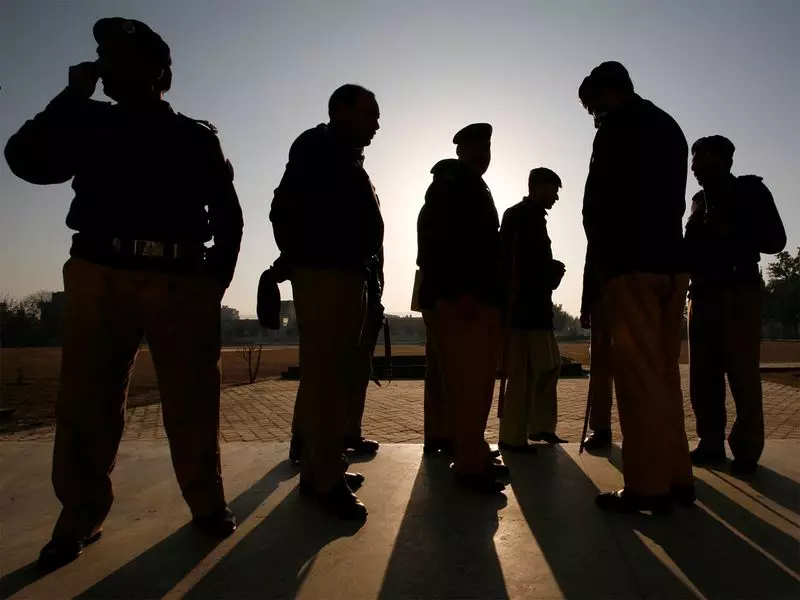
Authorities in Pakistan have initiated a major security clampdown in the city of Rawalpindi, deploying more than 1,300 security personnel in anticipation of potential protests by supporters of the Pakistan Tehreek-e-Insaf (PTI) party. This significant move comes amidst a tense political climate following the arrests of several PTI leaders.
Massive Security Deployment in the Garrison City
The security apparatus has been put on high alert across Rawalpindi, a city adjacent to the capital Islamabad and home to important military installations. According to official reports, the deployment includes a substantial force of police officers and personnel from the Rangers, a federal paramilitary force. The security plan was finalized during a high-level meeting chaired by Rawalpindi's Commissioner, Liaquat Ali Chatta, and attended by senior police officials.
The primary objective of this operation is to maintain public order and prevent any disruption. The authorities have specifically banned all forms of gatherings, protests, and processions within the limits of Rawalpindi district. This pre-emptive measure is a direct response to calls for protest by PTI following the detention of key party figures, including Senator Sanjay Singh and other leaders.

Political Context and Arrests Fuel Tensions
The current security crisis is deeply rooted in Pakistan's ongoing political turmoil. The PTI, led by former Prime Minister Imran Khan, has been at loggerheads with the establishment and the current government. The recent arrests of party leaders have acted as a catalyst, mobilizing the party's base and prompting calls for street demonstrations.
Rawalpindi, given its strategic significance and history as a venue for political rallies, is considered a potential flashpoint. The district administration has justified the sweeping measures by citing intelligence reports indicating plans for protests that could threaten law and order. Security has been particularly tightened around sensitive locations, including government buildings and major thoroughfares.
Implications for Public Order and Political Expression
The deployment of such a large number of security forces underscores the government's apprehension about the scale of possible protests. It reflects a strategy aimed at deterring mobilization through a visible show of force. However, such actions also raise questions about the space for political dissent and assembly in the country.
The situation remains fluid, with the potential for escalation depending on the PTI's next steps and the public's response to the arrests. The heavy security blanket in Rawalpindi is likely to remain in place until the perceived threat of large-scale protests diminishes. This incident highlights the continuing political instability in Pakistan and the challenges of balancing security concerns with democratic rights.
Observers are closely watching how the PTI navigates this crackdown and whether the party's supporters will attempt to defy the ban on assemblies. The outcome in Rawalpindi could set a precedent for handling political unrest in other parts of Pakistan in the coming days.