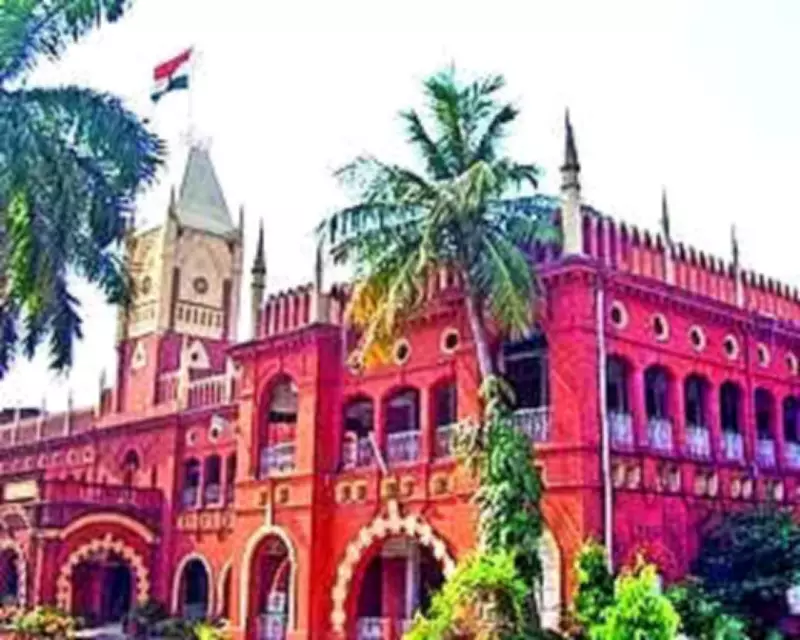
Orissa High Court Declines Writ Petition on Fly Ash Pollution, Directs Case to NGT
The Orissa High Court has declined to entertain a writ petition highlighting significant environmental damage allegedly caused by the unregulated use of fly ash during the construction of National Highway 49 in Jharsuguda district. The court has directed the petitioners to approach the National Green Tribunal for appropriate relief in this matter.
Court Questions Maintainability of Writ Petition
A division bench comprising Chief Justice Harish Tandon and Justice M S Raman heard the petition on Thursday, which was filed by Sumanta Swain and eight other concerned citizens. The petitioners alleged that indiscriminate dumping of fly ash had resulted in severe environmental consequences including air and water pollution, extensive crop damage, contamination of ponds and groundwater sources, and the death of fish in affected areas.
At the threshold of the hearing, the bench carefully considered the issue of maintainability of the writ petition. The court questioned why the petitioners should not be relegated to the statutory remedy available under the National Green Tribunal Act of 2010. The bench noted that the allegations squarely related to environmental pollution, an area specifically entrusted to the jurisdiction of the National Green Tribunal.
Court Recognizes Environmental Significance While Directing to NGT
The court made a significant observation regarding the importance of the environmental concerns raised in the petition. "We have no hesitation, not even inkling of doubt that the concern shown in the writ petition is of significant importance," the court stated emphatically. Despite recognizing the gravity of the environmental issues presented, the court maintained that the appropriate forum for such matters is the specialized environmental tribunal established for this purpose.
The National Green Tribunal was established under the NGT Act of 2010 as a specialized body equipped to handle environmental disputes and provide effective and expeditious disposal of cases relating to environmental protection and conservation of forests and other natural resources. The tribunal has exclusive jurisdiction over substantial questions relating to the environment and enforcement of legal rights relating to the environment.
Environmental Impact of Fly Ash Pollution
The petition highlighted multiple environmental concerns stemming from the alleged unregulated use of fly ash during highway construction:
- Air Pollution: Fly ash particles becoming airborne and affecting air quality
- Water Contamination: Pollution of local water bodies including ponds and groundwater sources
- Agricultural Damage: Extensive crop damage affecting local farmers
- Aquatic Life Impact: Death of fish in affected water bodies
- Health Concerns: Potential health implications for local communities
Fly ash, a byproduct of coal combustion in thermal power plants, contains various heavy metals and toxic substances that can leach into soil and water when not properly managed. The petitioners argued that the unregulated use of this material during highway construction had created significant environmental hazards in the Jharsuguda district.
Legal Pathway Forward for Environmental Concerns
The court's direction to approach the National Green Tribunal establishes a clear legal pathway for addressing the environmental concerns raised in the petition. The NGT has the authority to:
- Conduct thorough investigations into environmental violations
- Order remedial measures for environmental damage
- Impose penalties on violators of environmental laws
- Provide compensation to affected parties
- Issue directions for environmental restoration
The case now moves to the specialized environmental tribunal, where the petitioners will have the opportunity to present their evidence and seek appropriate relief for the alleged environmental damage caused by fly ash pollution during the NH-49 construction project in Jharsuguda district.