Orissa High Court Delivers Landmark Ruling on School Transport Services
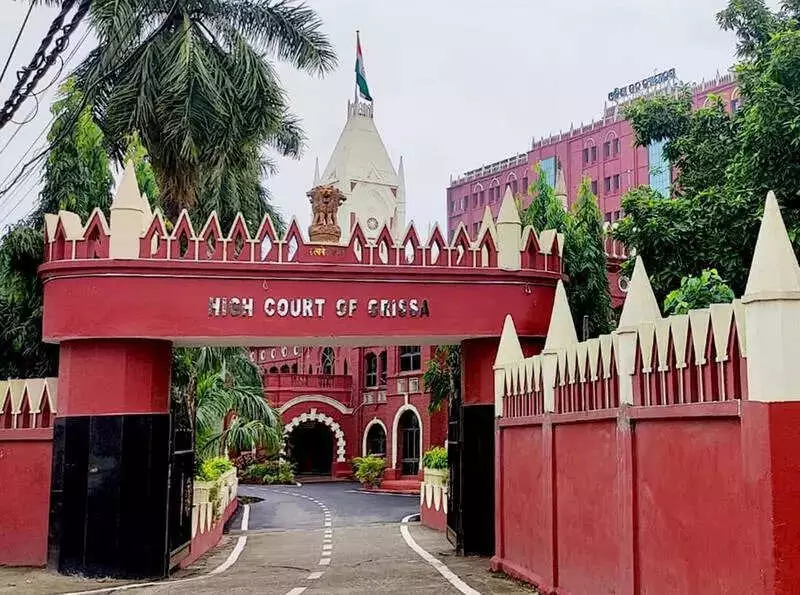
In a significant judgment with far-reaching implications for educational institutions across the state, the Orissa High Court has ruled that school-run transport facilities collecting fees from students qualify as "motor transport undertakings" under the Motor Transport Workers Act, 1961. The court dismissed a petition filed by a CBSE-affiliated private unaided school in Bhubaneswar that sought exemption from the legislation.
Legal Challenge and School's Arguments
The school had challenged letters issued on July 31 and August 21, 2025, by the joint labour commissioner in Bhubaneswar. These letters directed the institution to register under the Act and warned of prosecution under Section 32 for non-compliance. The educational institution, which caters to over 2,500 students and operates approximately 11 buses for transporting students and staff, argued that its bus service was ancillary to its primary educational activity and therefore outside the scope of the legislation.
The school maintained that the transport service was provided as a facilitative measure after obtaining necessary permissions from police and transport authorities. It further claimed to be operating in line with the state's "Policy on Transport of School Children, 2016" and emphasized the non-commercial nature of its educational character.
Court's Decisive Observations
Rejecting the school's plea on January 22, the bench of Justice S K Panigrahi made several crucial observations that formed the basis of the judgment:
- The decisive factor was not the institution's primary function but the nature of the transport activity itself
- Since the school levied fares on students, the activity could not be regarded as a purely incidental charitable act
- Once a charge is imposed, it becomes a service rendered for consideration
- The incidental nature of the transport service to the school's primary purpose does not, in law, exempt it from the Act if the service meets the statutory definition
Justice Panigrahi further clarified that charging students for bus services amounted to carriage for hire or reward. He ruled that "the collection of transportation charges from students, irrespective of the quantum or profitability, constitutes carriage for hire or reward in the legal sense."
Welfare Legislation and Broad Interpretation
Describing the Motor Transport Workers Act as welfare legislation, Justice Panigrahi emphasized that it warranted a broad and purposive interpretation to protect workers engaged in such services. The court concluded that the school could not seek exemption on the ground of its non-commercial or educational character when the transport service met the statutory definition of a motor transport undertaking.
This judgment establishes important legal precedent regarding how educational institutions must view their ancillary services, particularly when those services involve financial transactions with students or parents. The ruling reinforces that statutory obligations cannot be avoided simply because a service is secondary to an organization's primary mission.