Orissa High Court Condemns Systemic Failures in Curbing Public Land Encroachment
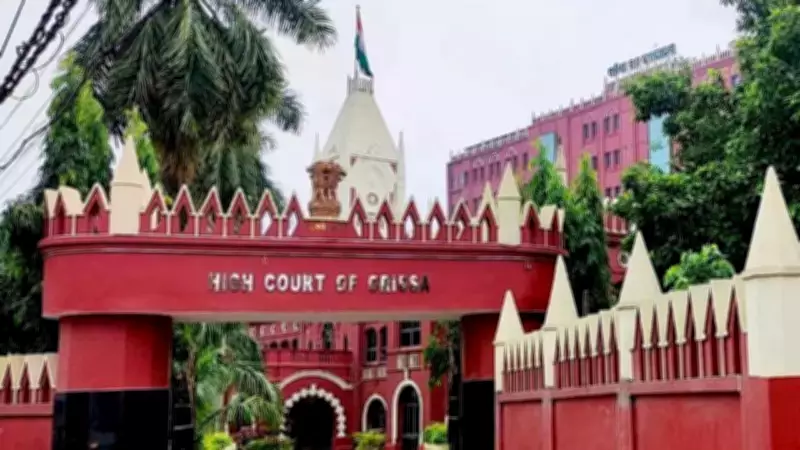
The Orissa High Court has issued a stern rebuke against the persistent problem of land encroachment in the state, labeling it a significant and growing menace that severely undermines administrative control and planned urban development. In a recent ruling, the court highlighted systemic lapses within government bodies, particularly pointing fingers at revenue administration officials for their role in facilitating illegal occupations.
Judicial Frustration Over Inaction
Expressing deep concern, the court noted that despite consistent judicial directives, authorities often fail to act in the letter and spirit required to address encroachments. The bench, comprising Justices Krishna Shripad Dixit and Chittaranjan Dash, emphasized that corruption, collusion, or negligence among officials has allowed these illegal activities to flourish. Field-level functionaries are frequently criticized for not intervening at the initial stages, thereby permitting encroachments to become entrenched and difficult to reverse.
Case Background: Koraput District Private Bus Employees Union
The remarks were made while dismissing an appeal filed by the Koraput District Private Bus Employees Union, which had challenged eviction proceedings. The union had been operating an unauthorized advance ticket counter near the Sub-Divisional Police Office by the old OSRTC bus stand in Jeypore for over three decades. The Tehsildar of Jeypore issued an eviction notice, and the Sub-Collector ordered the counter's relocation to the new bus stand, citing traffic congestion and accident risks as primary reasons.
In an order dated February 17, which was uploaded on February 25, the division bench upheld a Single Judge's decision to reject the union's plea for intervention. The court firmly stated that unauthorised occupation cannot claim constitutional protection, reinforcing the principle that long-standing illegal possession does not translate into legal rights.
Broader Implications for Public Welfare
Setting a decisive tone in its judgment, the bench observed that encroachments on public land pose a serious threat to public health, safety, and the environment. Such illegal occupations reduce space available for essential public amenities like roads, directly hampering urban planning efforts. The appellants admitted to being unauthorized occupants but argued possession based on temporary structures used for trade union activities. However, the court ruled that such occupation, even in the name of union activity, lacks legal sanctity and does not fall under the protections of Article 21 of the Constitution of India.
The bench reiterated that mere long-standing occupation does not ripen into a legal right when the initial entry is unauthorised, finding no grounds to differ from the Single Judge's findings and ultimately dismissing the appeal. This ruling underscores the judiciary's commitment to upholding law and order in land management, urging authorities to take proactive measures to combat encroachment effectively.