Orissa High Court Takes Suo Motu Action on SCB Hospital's Night Shelter Crisis
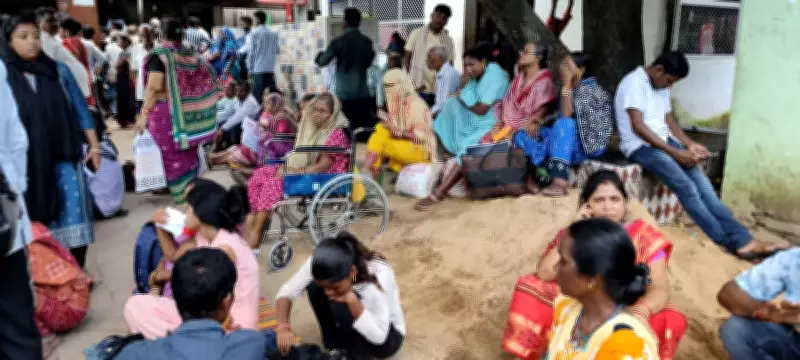
The Orissa High Court has expressed grave concern over the distressing situation at SCB Medical College and Hospital in Cuttack, where patients' relatives are allegedly forced to sleep on roadsides and pavements due to insufficient night shelter facilities. In a significant intervention, the court has issued directives to civic authorities to address this humanitarian issue while simultaneously regulating food distribution by NGOs that contributes to congestion on the hospital premises.
Court Directs Surprise Inspections and Status Report
A two-judge bench comprising Justices K R Mohapatra and V Narasingh has ordered the Advocates Committee, which includes a woman member, to conduct surprise late-evening visits to the hospital at least three times. The committee, consisting of High Court Bar Association president Manoj Mishra and secretary Avijit Pattnaik, must submit a comprehensive status report with recommendations. These recommendations should include specific measures to regulate the activities of NGOs operating within the hospital campus.
The court's order, issued on February 5, came after it took suo motu cognisance of media reports highlighting the plight of patients' attendants. During proceedings, the court was informed that despite the existence of night shelters, many patients' attendants continue to sleep in the open, exposed to the elements and security risks.
Hospital Administration's Conflicting Statements
Dr. Gautam Satpathy, superintendent at SCB Medical College, presented conflicting information to the court. He initially stated that steps had been taken to persuade permitted attendants to use the night shelters, but acknowledged that some remain reluctant under various pretexts. However, Dr. Satpathy conceded a critical limitation: "the numbers of beds in the night shelter are not sufficient to accommodate all the authorized attendants."
Amicus curiae Bijay Kumar Dash intervened in the matter, telling the court that "many attendants and/or relatives of the patients are sleeping on the roadside and on the pavements of the SCB campus, in the open." This statement directly contradicted aspects of the hospital administration's position.
NGO Food Distribution Identified as Contributing Factor
Dr. Satpathy offered an alternative explanation, suggesting that "the vendors and the outsiders who are taking the free meals provided by NGOs inside and near the campus of the SCB, at times, sleep on the pavements and roadside." He emphasized that these individuals cannot be accommodated in night shelters meant specifically for patients' relatives and attendants.
Cuttack DCP Khilari Rishikesh Dnyandeo informed the court that only one NGO has official permission to distribute free food inside the hospital campus. He explained that unauthorized food distribution by other NGOs creates significant congestion at both hospital gates, with queues spilling onto campus precincts and exacerbating the overall space crisis.
Court's Specific Directives for Resolution
The High Court has issued several specific directives to address the dual problems of inadequate shelter and NGO-related congestion:
- The commissioner of Cuttack Municipal Corporation must identify a designated place away from the main SCB campus for NGOs to carry out food distribution activities.
- Civic authorities must regulate food distribution by NGOs that contributes to congestion on hospital premises.
- The Advocates Committee must conduct surprise inspections and submit recommendations for improving night shelter facilities and regulating NGO activities.
- A compliance report must be filed by the next date of hearing scheduled for March 12.
The court's intervention highlights systemic issues in healthcare infrastructure management, where inadequate facilities for patients' attendants intersect with unregulated charitable activities. The directives aim to create a more organized environment that prioritizes patient care while addressing the basic needs of those accompanying them during medical treatment.