

In a significant move to modernize investigations, the Odisha Police is gearing up to appoint its inaugural batch of dedicated crime scene officers. The deployment across police stations statewide is targeted for completion by March this year.
Bridging the Forensic Gap
This landmark initiative, first announced in April last year, ensures that for the first time, every police station in Odisha will have personnel specifically trained in scientific evidence collection. The plan mandates the deployment of at least one or two crime scene officers per police station. Their core function will be to assist investigating officers in gathering forensic evidence swiftly and using scientific methods.
Currently, the task of evidence collection falls to regular police officers, who often manage multiple duties simultaneously. In complex cases, they depend on forensic experts from state or district labs, a process prone to delays and potential evidence tampering. A shortage of scientific officers at these labs further slows down investigations. The new cadre of officers is designed to bridge this critical gap.

Specialized Training for First Responders
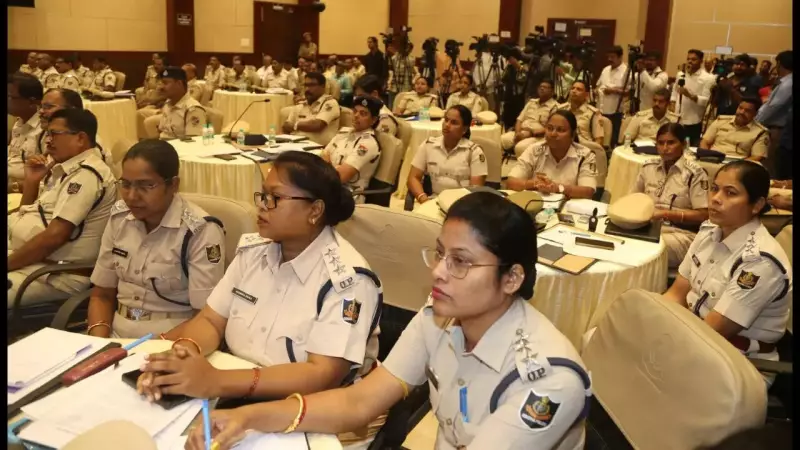
To prepare for this specialized role, a six-week training programme commenced on Wednesday for the first batch of approximately 72 officers. This group comprises constables and home guards who possess educational backgrounds in science.
Director General of Police (DGP) Y B Khurania explained the officers' vital role. "These officers will act as the first responders at crime scenes. Before forensic teams arrive, they will secure the site, prevent tampering, and begin collecting initial evidence," he said. The training modules cover comprehensive procedures for guarding crime scenes, preserving biological, digital, and physical materials, and ensuring strict storage protocols.
Building a Stronger Justice System
DGP Khurania emphasized the importance of this step in light of new criminal laws. "Forensic and scientific investigation hold the key. To ensure that case trials end in convictions, we need trained evidence collectors," he stated.
Once deployed, these officers will serve as a crucial link. They will send collected samples to forensic laboratories and act as intermediaries between investigators and forensic experts. Equipped with modern tools and digital equipment, they will be responsible for thorough crime scene documentation and maintaining an unbroken chain of custody for evidence.
A senior police officer detailed the expertise being imparted. "These specialised crime scene officers will be professionally trained in photography, fingerprint collection, DNA preservation, blood pattern analysis, and trace evidence handling. Their expertise will reinforce the criminal justice system by minimising contamination risks and ensuring evidence reaches labs in optimal condition."
Another officer highlighted the transformative impact, noting, "It will be like having a mini-forensic unit in every police station. These officers will understand both the scientific and legal aspects of evidence handling, which will help build stronger cases against suspects."
The introduction of dedicated crime scene officers is poised to reduce procedural errors, ensure timely evidence preservation, and ultimately strengthen the prosecution's case in court, marking a new chapter for policing and forensic science in Odisha.






