
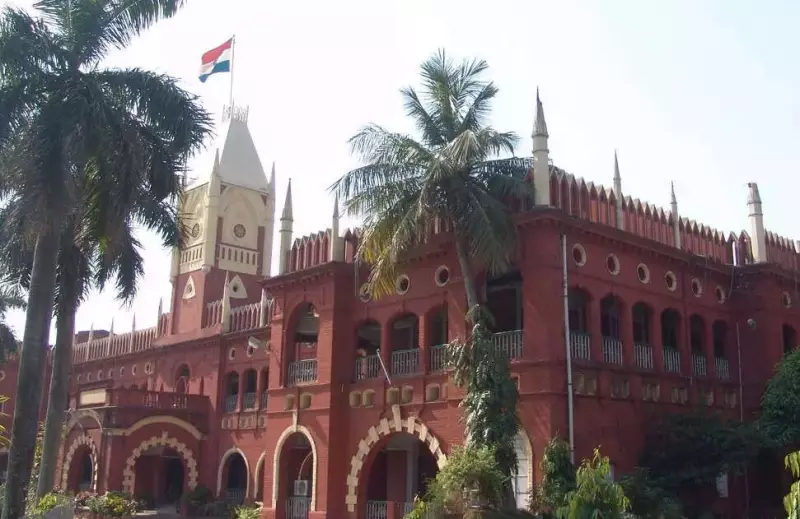
The Orissa High Court has taken a stern stance on alleged malpractices in police recruitment, directing the state government to clearly explain its position on outsourcing sensitive examination processes. This directive came during a hearing on a Public Interest Litigation (PIL) that highlights serious irregularities in the process to fill 862 sub-inspector posts, a matter now under investigation by the Central Bureau of Investigation (CBI).
Court's Strong Observations on Transparency
A division bench comprising Chief Justice Harish Tandon and Justice M S Raman made pointed remarks about the need for integrity in public employment. The bench emphasized that recruitment must guarantee fairness, transparency, impartiality, and equal opportunity, actively preventing any scam or information leak. In its order dated December 22, which was uploaded on December 30, the court stated that the government must take a conscious decision in conducting any departmental recruitment drive to eliminate any sense of malpractice.
The court was informed that arrests have already been made in connection with the case. A critical fact that emerged was that the entire recruitment exercise was entrusted to a private company. The bench has now ordered the state government to file a detailed affidavit by January 15. The petitioner, advocate Shivsankar Mohanty, has been granted time until January 22 to file a rejoinder. The matter is scheduled for its next hearing on January 27.
Roots of the Controversy and PIL Arguments
The PIL focuses on the irregularities that marred the recruitment process for police sub-inspector positions in Odisha. The controversy first came to light on September 30, when a case was registered at the Golanthara police station in Berhampur based on a tip-off. Consequently, the Odisha Police sub-inspector recruitment exam, which was initially scheduled for October 5 and 6, was abruptly postponed by the Odisha Police Recruitment Board.
The petition raises significant concerns about the very decision to outsource such a critical recruitment exam. It argues that the police department possesses a dedicated recruitment cell with sufficient manpower, making the handing over of the process to a private agency questionable. The petitioner strongly urged the court to discourage such outsourcing of a highly sensitive procedure that demands a high degree of secrecy.
Next Steps and Government's Response
During the court proceedings, additional government advocate Saswat Das, representing the state authorities, requested additional time to file the government's official response. The court's intervention underscores the growing judicial scrutiny over recruitment scams in the state. By demanding a formal affidavit, the High Court is seeking accountability and a clear policy statement from the administration regarding its reliance on private entities for core governmental functions like police recruitment.
The upcoming hearing on January 27 is poised to be crucial, as it will examine the government's submitted affidavit and the petitioner's subsequent rejoinder. The case has brought to the forefront the ongoing debate about privatization of essential government functions and the mechanisms needed to safeguard them from corruption.